

Today, I want to introduce you to this side project of mine, with the goal to ease new Netrunner players into playing Standard: The Core Battle Box.
Null Signal Games has developed a game environment for owners of System Gateway and Elevation, which are the most popular pick-ups for those new to the game system. And so, I wanted to build a deck for each faction only using the cards from these two sets.
The CBB is meant to be seven decks (one for each faction) that are designed to be played against each other like a board game, but may even be brought to local game nights without feeling like they’re not prepared to play against other decks.

This project stemmed from a Reddit post, where one user was looking for “curated” decks using the Core sets to bring to a local meetup where the majority of people play Standard. While NSG has come up with sample decklists (in fact, one for each identity available), this feels like an analysis paralysis decision point for players who just want to be recommended specific lists; especially when they don’t know what any of these decks are capable of yet.
In my spare time, I hastily built decks for them, so they could bring it to their local meetup. Eventually, a returning player from our local meta asked for a similar request, so I realized this might be a recurring question. And so, I sent them the same lists. These eventually got tuned and expanded to all seven factions when they wanted to turn it into a full-blown Battle Box for new players. Which brings us here!

What Does the CBB Want to Be?
We have to lay down some ground rules when perusing the decks below.
What the CBB Is:
- It is meant to show faction strengths, mechanics, and flavor.
- The decks are meant to showcase one playstyle each.
- The decks are meant to be played against one another in a casual, learning setting.
- These lists can be brought to a weekly meetup and will perform at a decent rate; you might not win most, if any, games, but at least you have concrete gameplans to execute.
- These lists can be loaned to more experienced players and they will know how to pilot it against you.
- These lists are designed to mimic archetypes in Standard, and thus, have upgrade paths leading to more optimized decklists for the format.
- The decks can be treated as a board game for less-committed players who want to play the current era of Netrunner in a casual setting.
What the CBB Is Not:
- These decks are not meant to be the very first decks to learn the rules of Netrunner. (For that, I recommend the updated teaching decks by NSG Member Cybershark. You can still learn Netrunner using the CBB, but some of the cards might be harder to parse if you’re completely new to the game, with no rules knowledge yet.)
- Fair warning: this is not a balanced experience. Corps are generally stronger in Core, the Runners are expected to have a tougher time. As such, when playing against newer players, I suggest the mentor plays as the Runner first. Set your expectations accordingly! If you want a more balanced experience, the Runner decklists will have one more list with slight upgrades to enable it to have a fairer matchup against the Corps, but will use some Standard cards.
- These lists are not meant to win or even enter Standard or Startup tournaments and may contain banned cards in those formats. Do not be discouraged if you have trouble keeping up with Standard decks, but rest assured you still have some chance against them.
- These lists were not made with Startup archetypes in mind. I went straight to Standard, so my upgrade paths are direct to that format. The upgrade suggestions for Startup are something I need to iterate on at a later time.
- These lists are not the be-all-end-all of the Core experience. Feel free to create your own decks or ask tenured players about some other decks or tweaks they may have!
Each deck will have a short writeup here and a longer writeup on their respective NetrunnerDB (NRDB) posts, with suggested upgrade paths of specific cards. Let’s dive right in onto the decks:
Runners
Anarch: Topan – Efficiency, Viruses, and Self-Damage
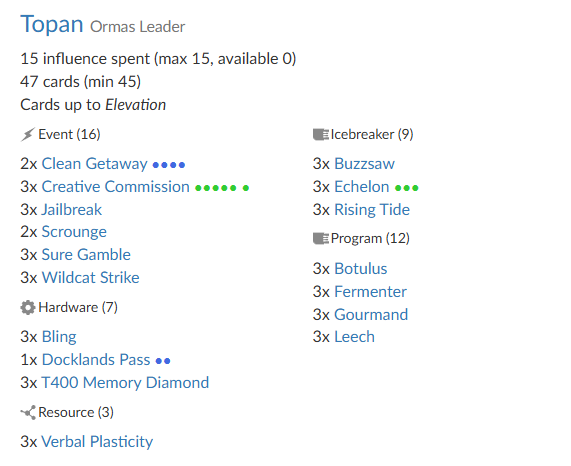
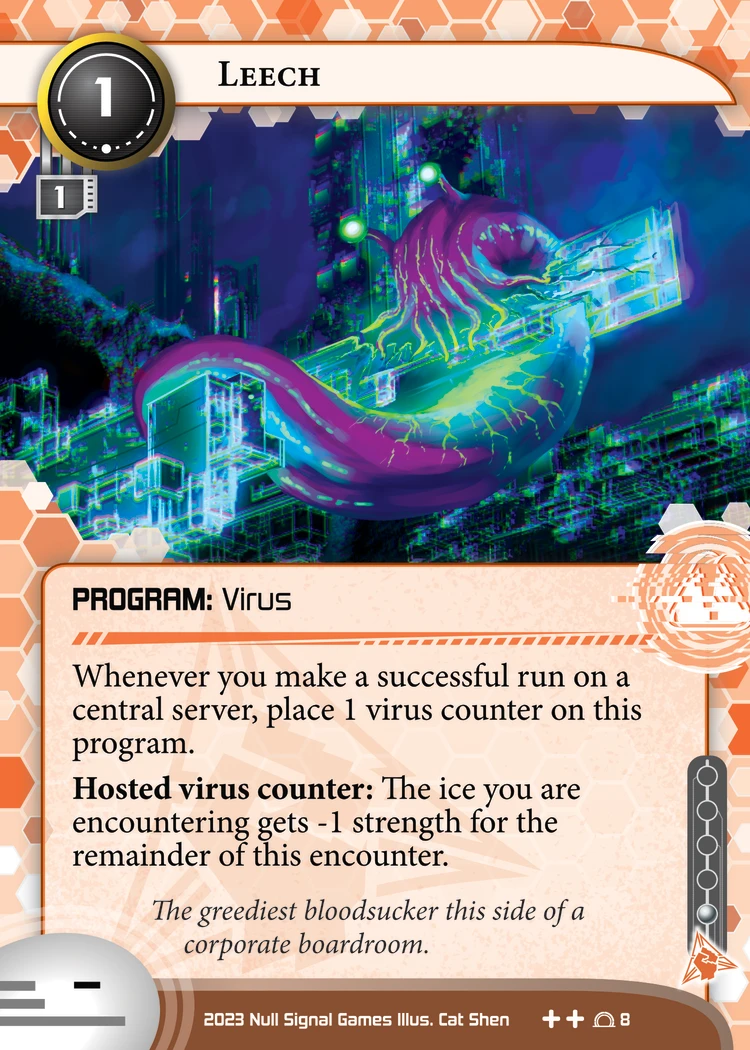
Goal: Showcase Anarch “doomrigs” via efficient breakers and Leech.


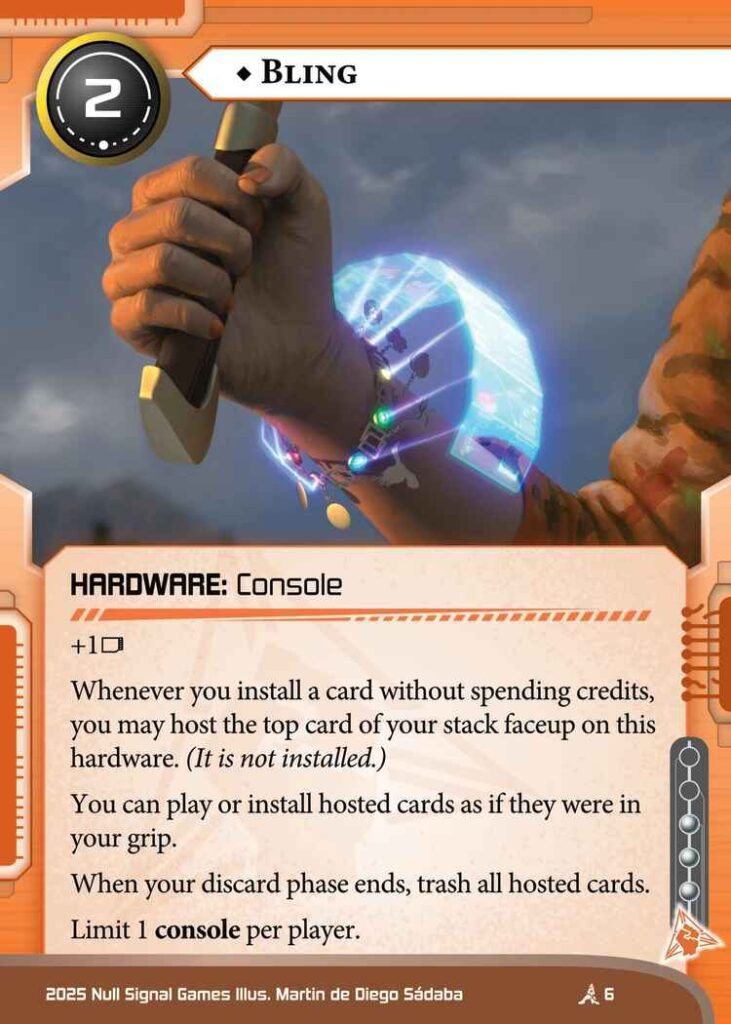
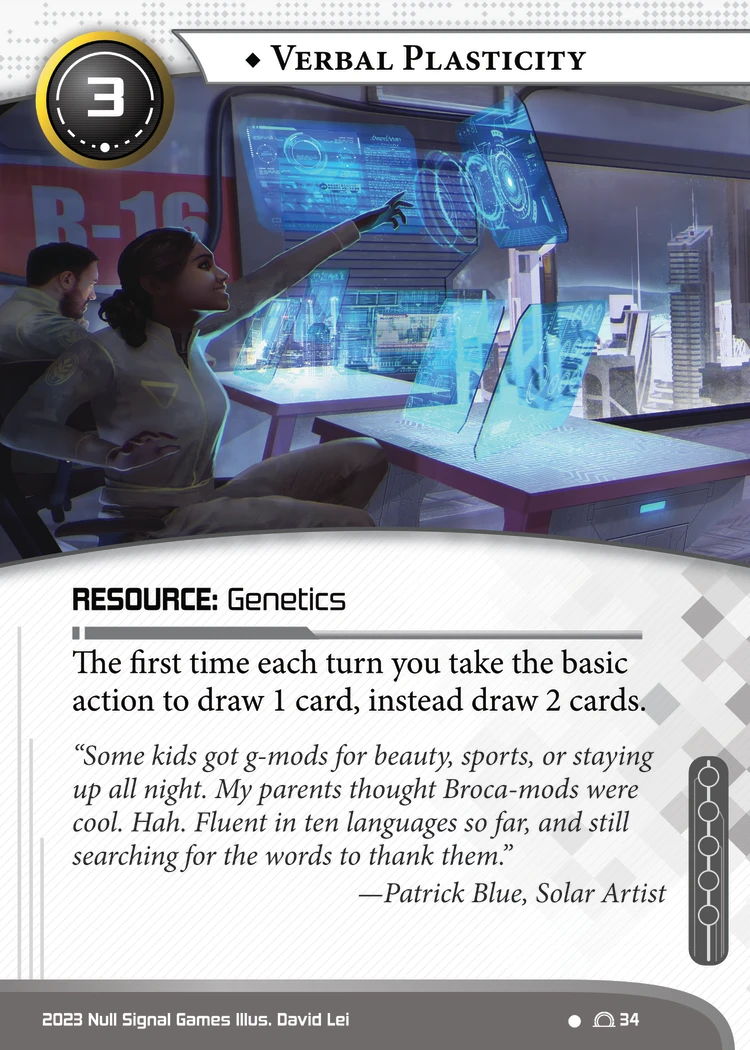
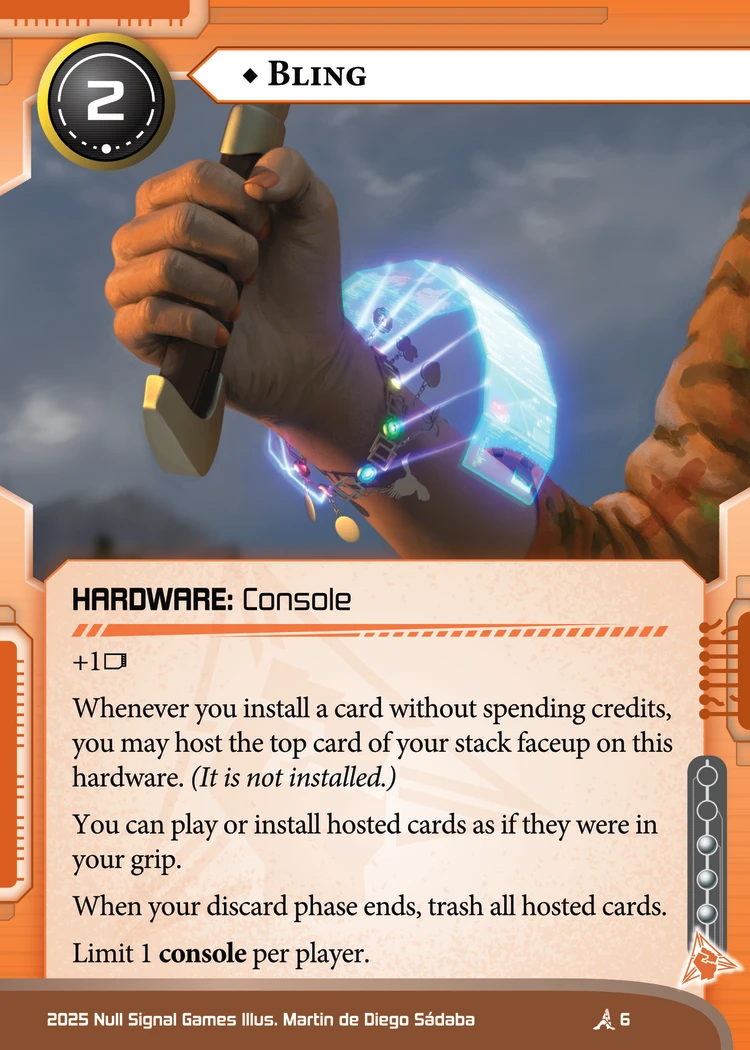
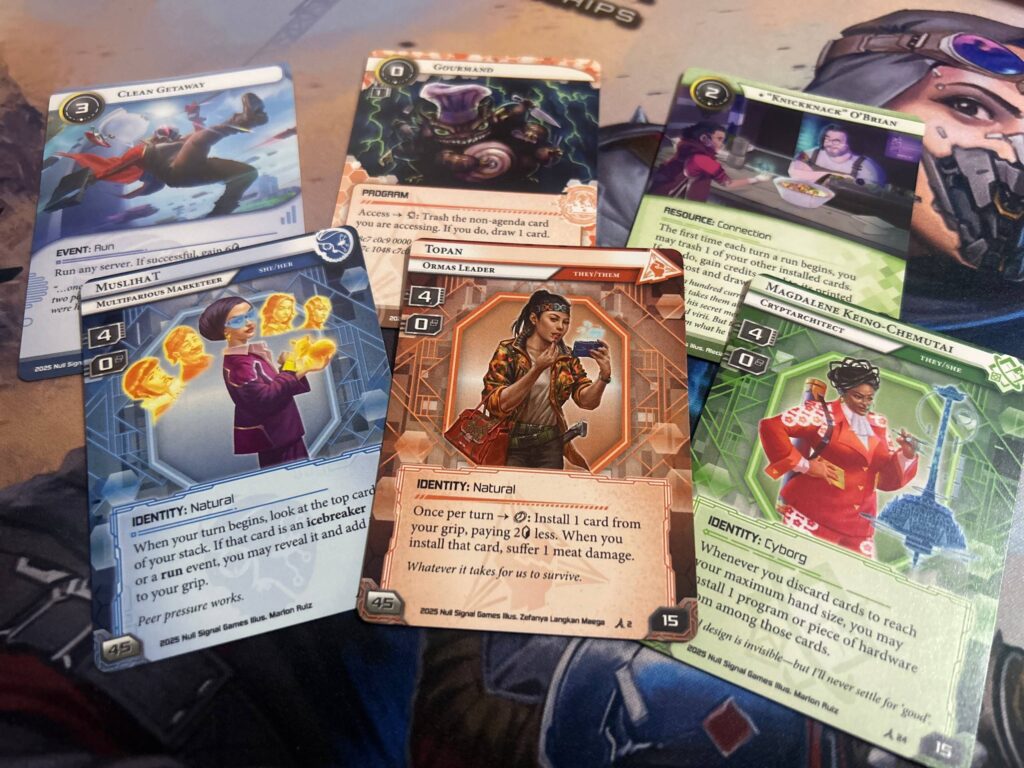
Topan wants to build their board as quick as possible, taking meat damage in exchange for efficiency. The deck was built with three copies of most cards so that no card is ever lost. Verbal Plasticity is the MVP of this deck as you’ll want to refill your Grip every so often. Bling adds some much-needed draw but be careful: if you host a card you can’t play, it gets trashed!
Criminal: MuslihaT – Aggression, Pressure, and Deception
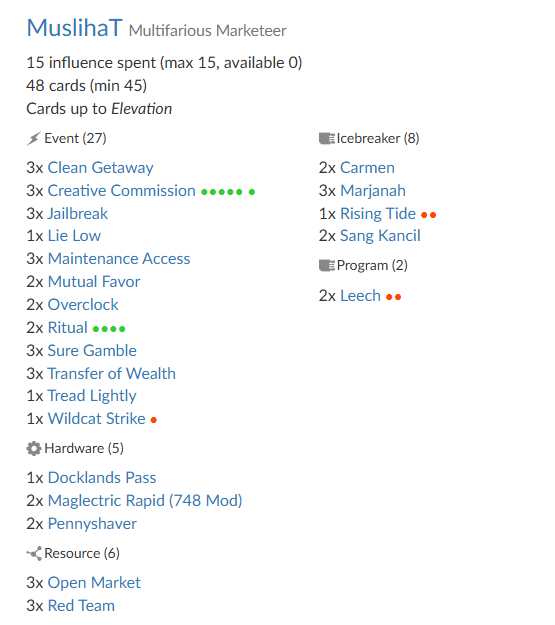
Goal: Showcase how Crims can exert pressure on the Corp by forcing rezzes at inopportune times to keep their credits low.

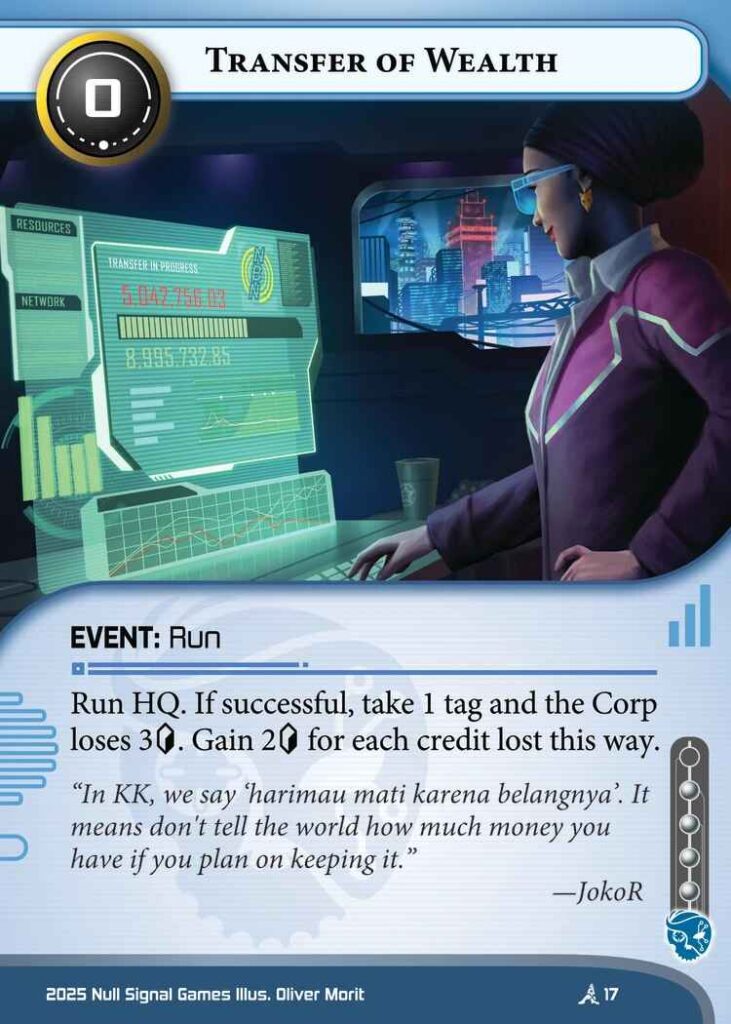
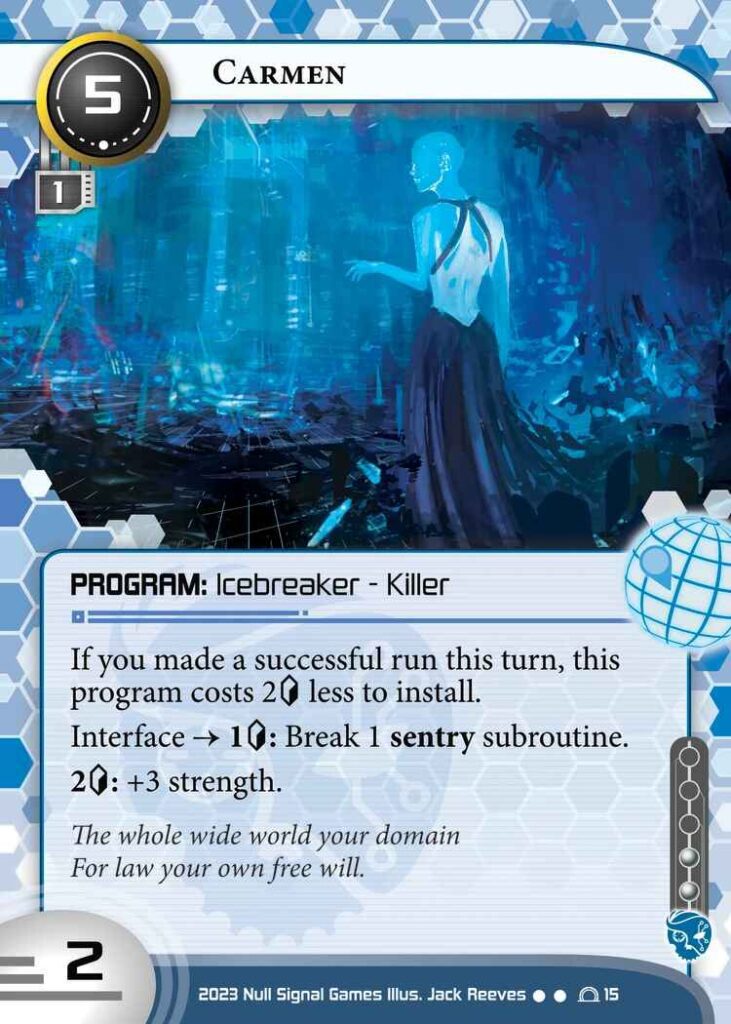
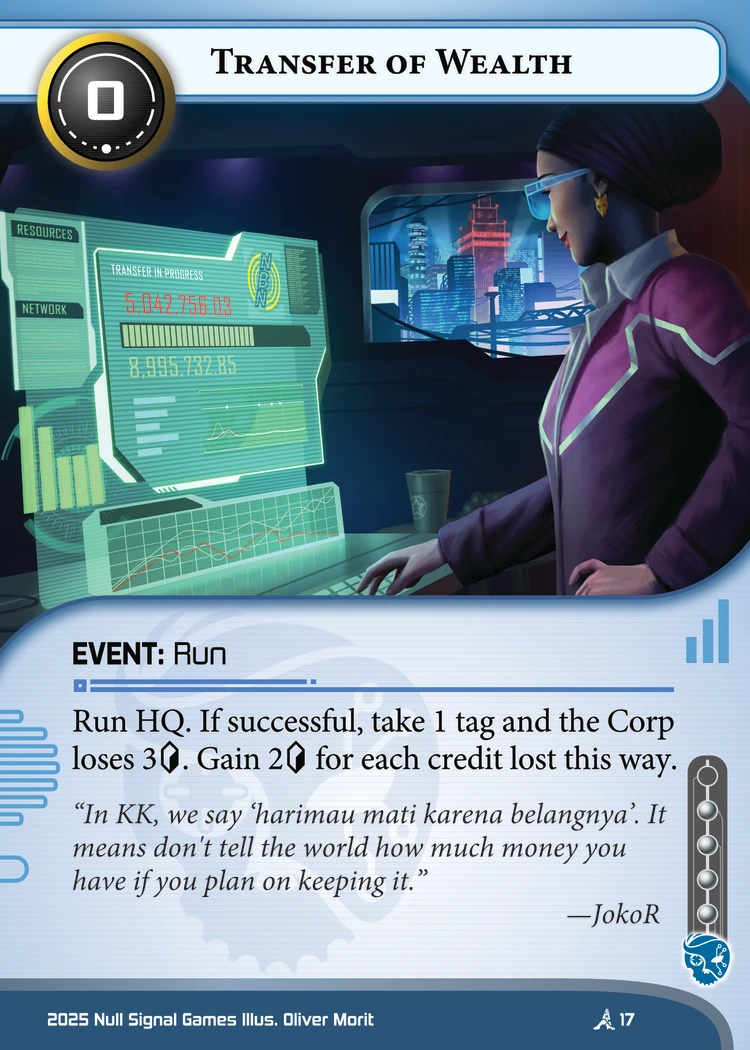
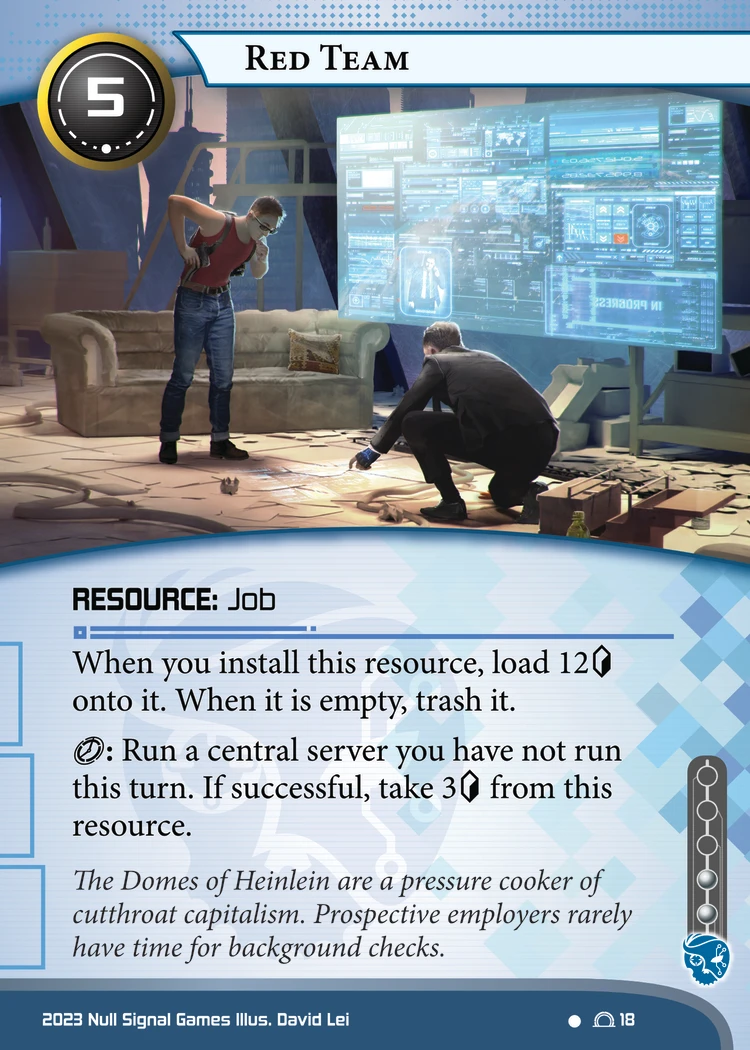
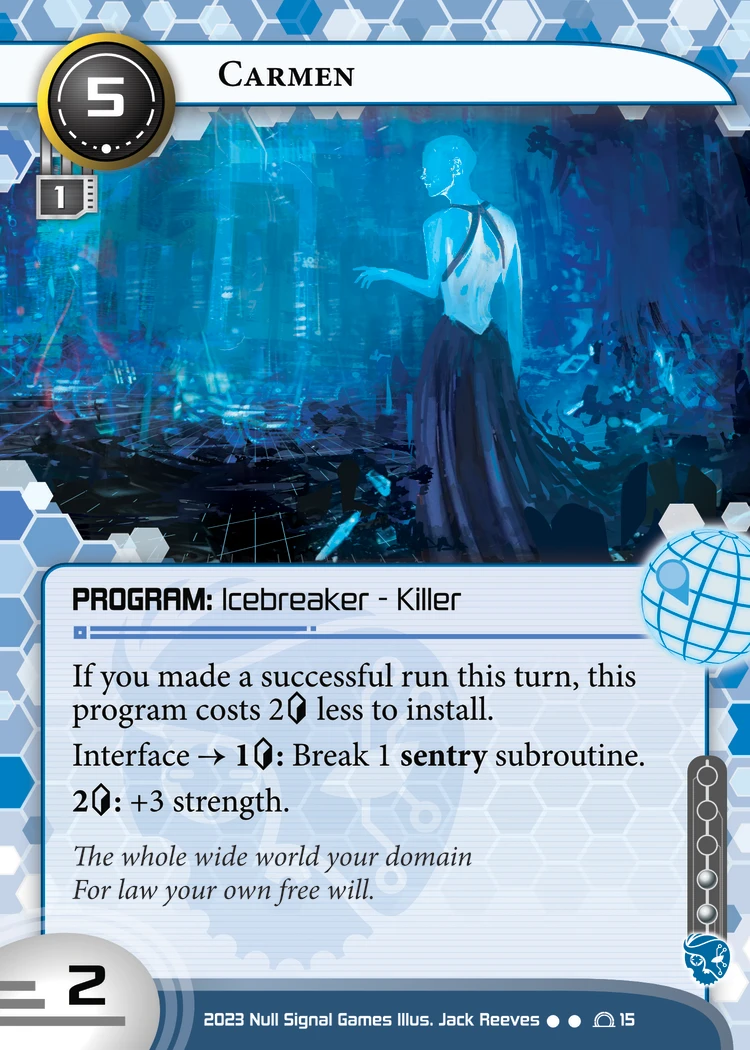
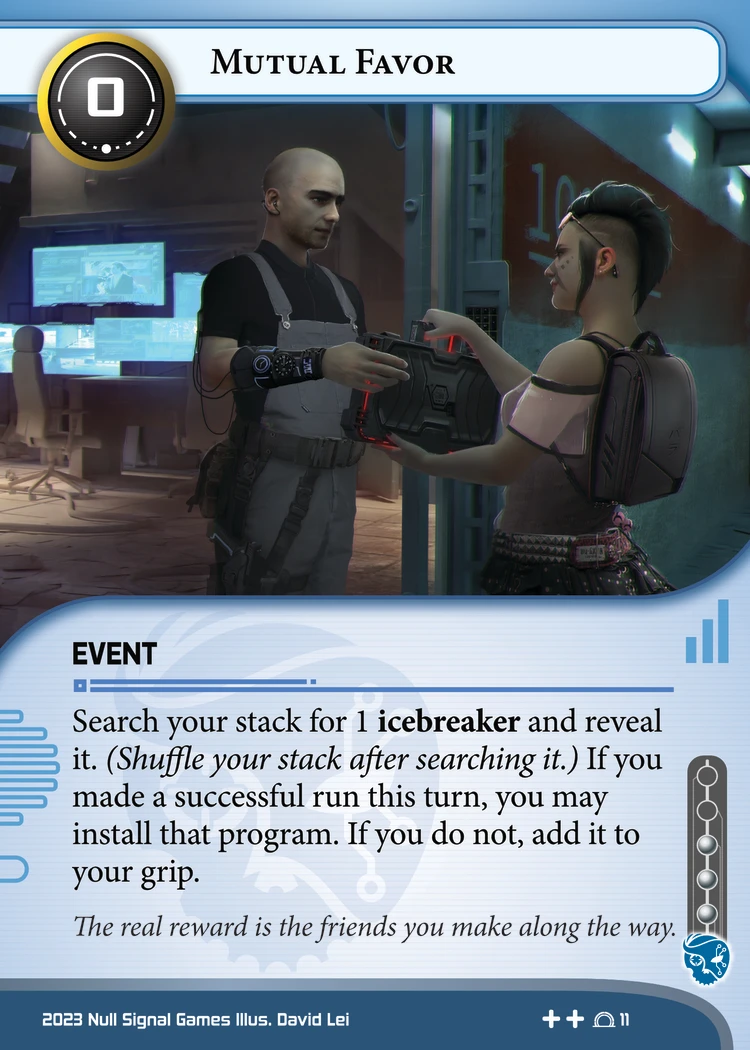
MuslihaT wants to hit the ground running with cards like Transfer of Wealth to keep the Corp poor. There’s a fair bit of “successful run” synergy baked into the deck, which is encouraged by Red Team, such as Carmen, Leech, and Mutual Favor.
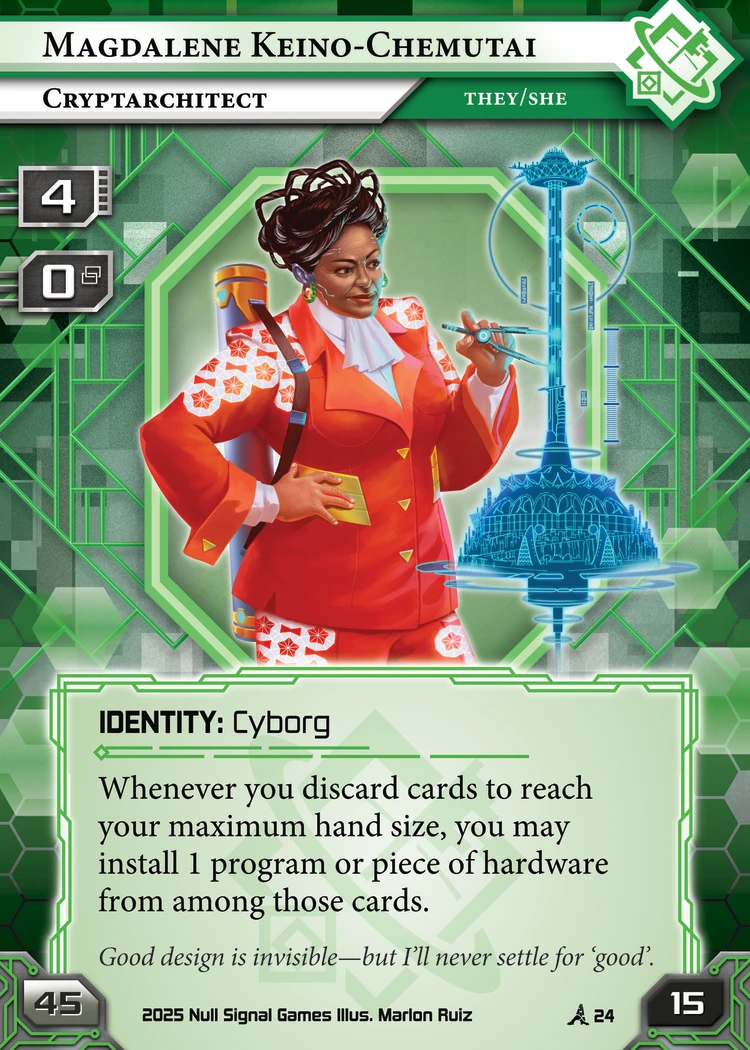
Shaper: Magdalene – Inevitability, Sequencing, and Kickflips
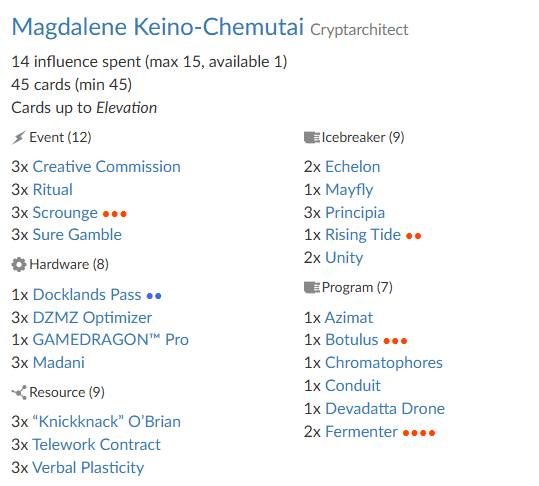
Goal: Showcase the “Control Shaper” archetype by stockpiling credits and building an unbeatable rig.
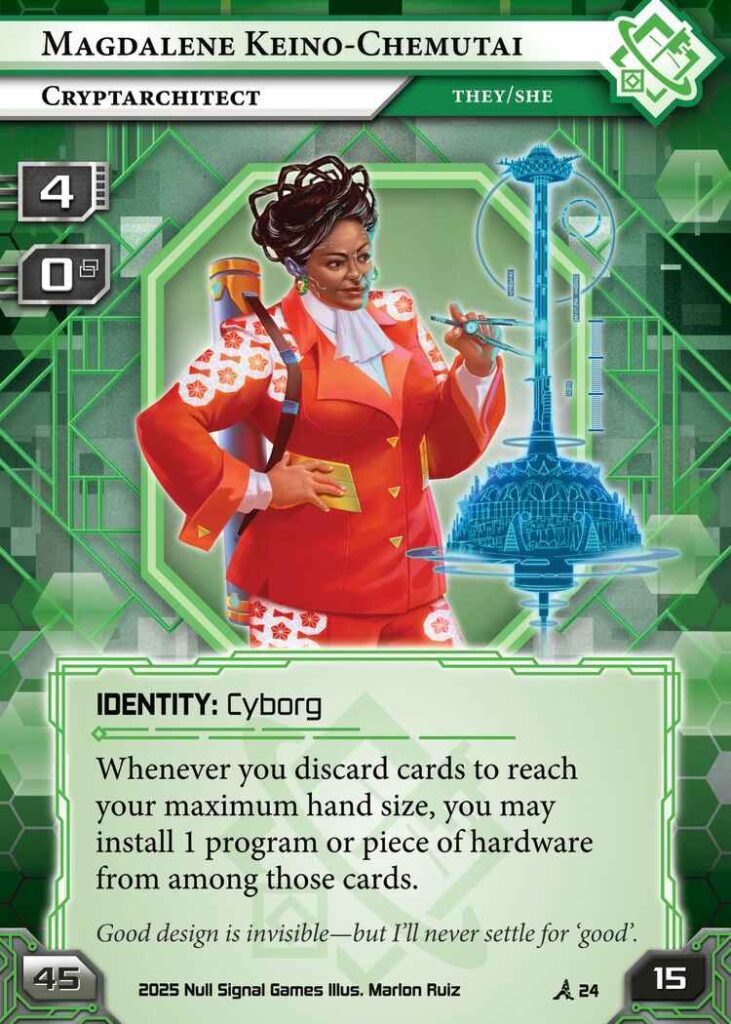
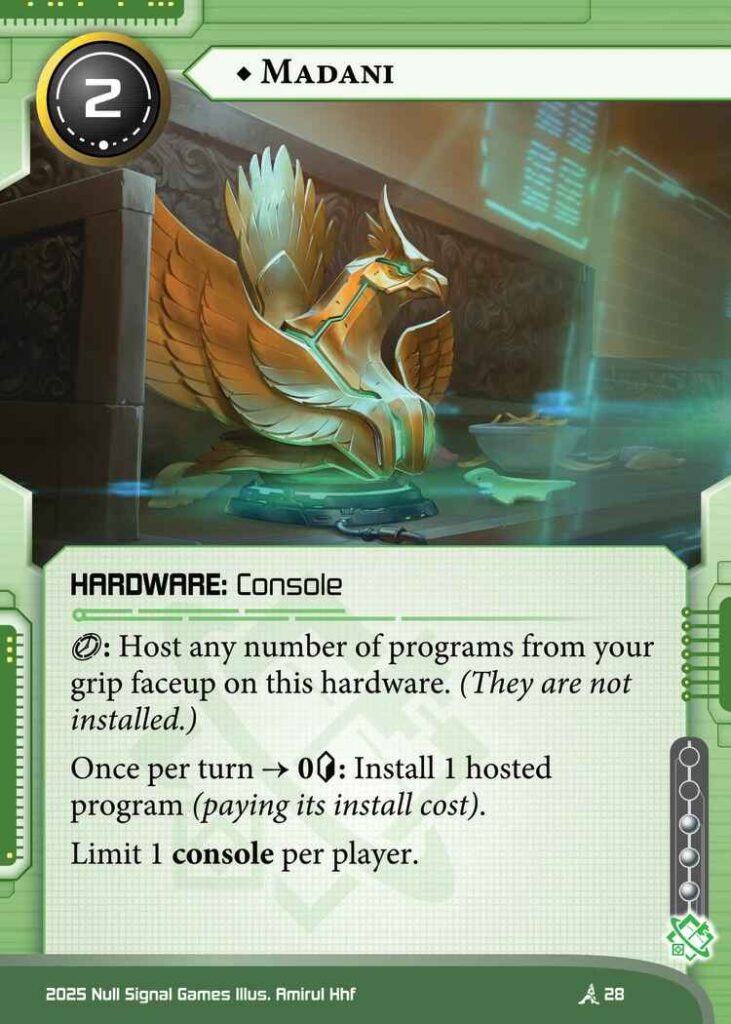
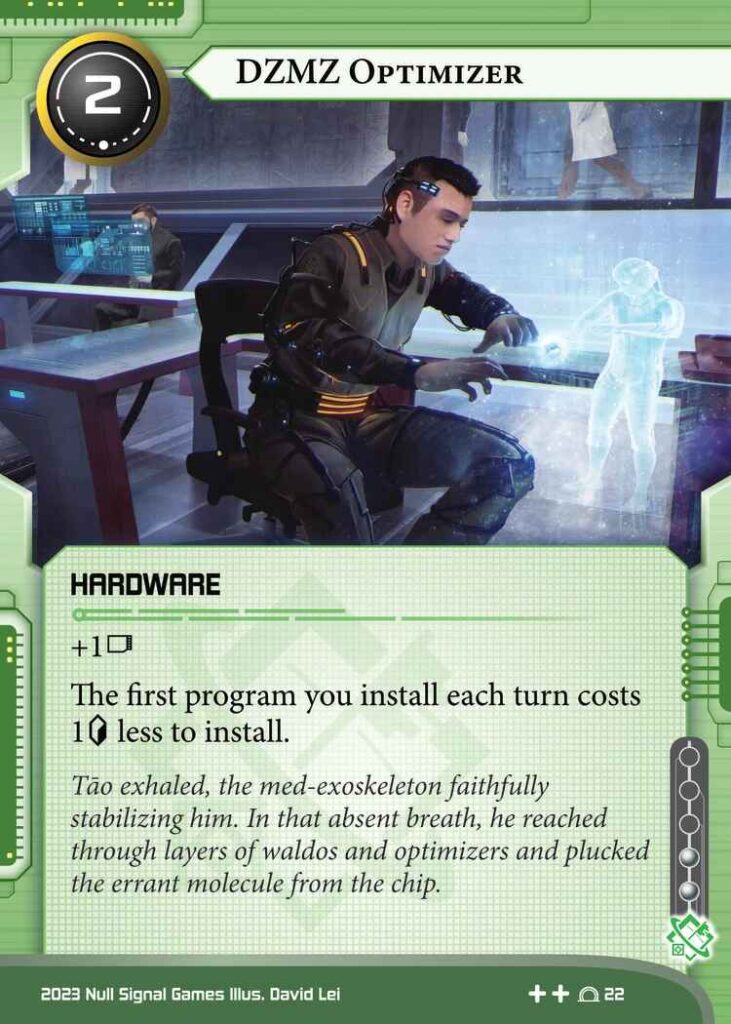
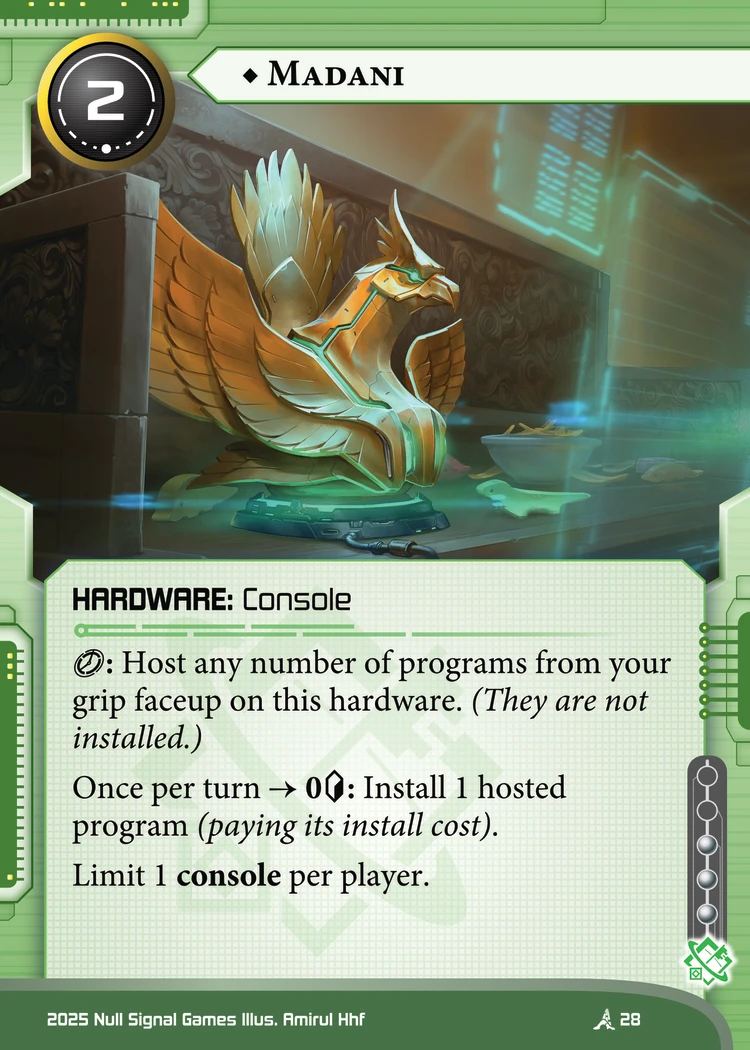
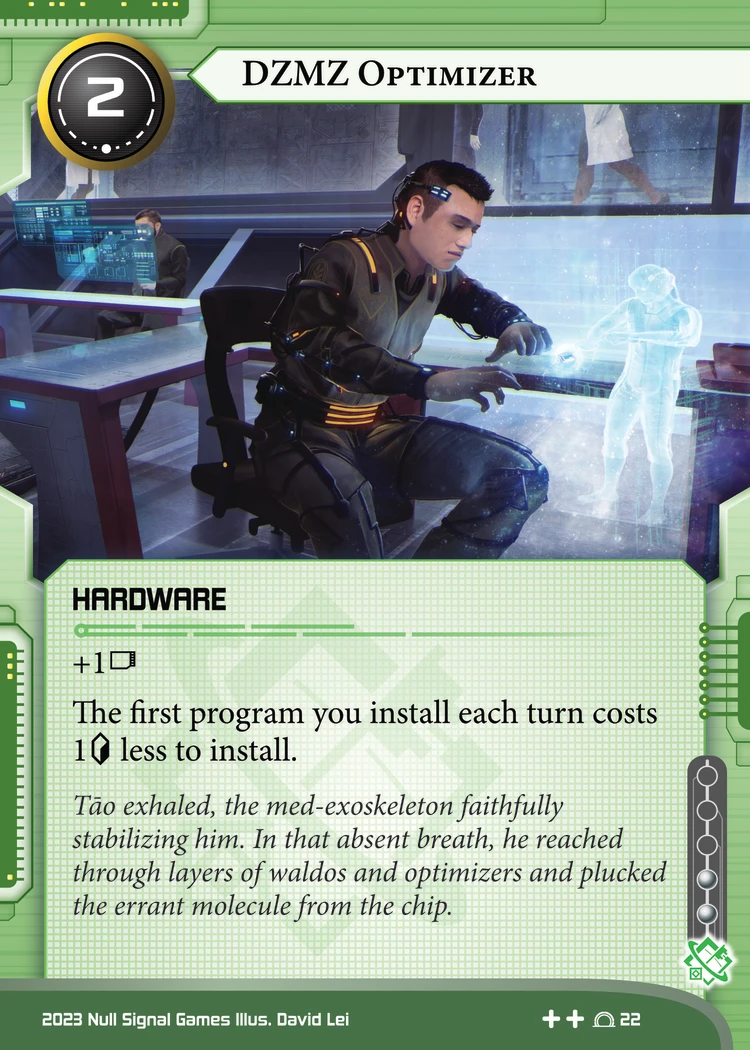
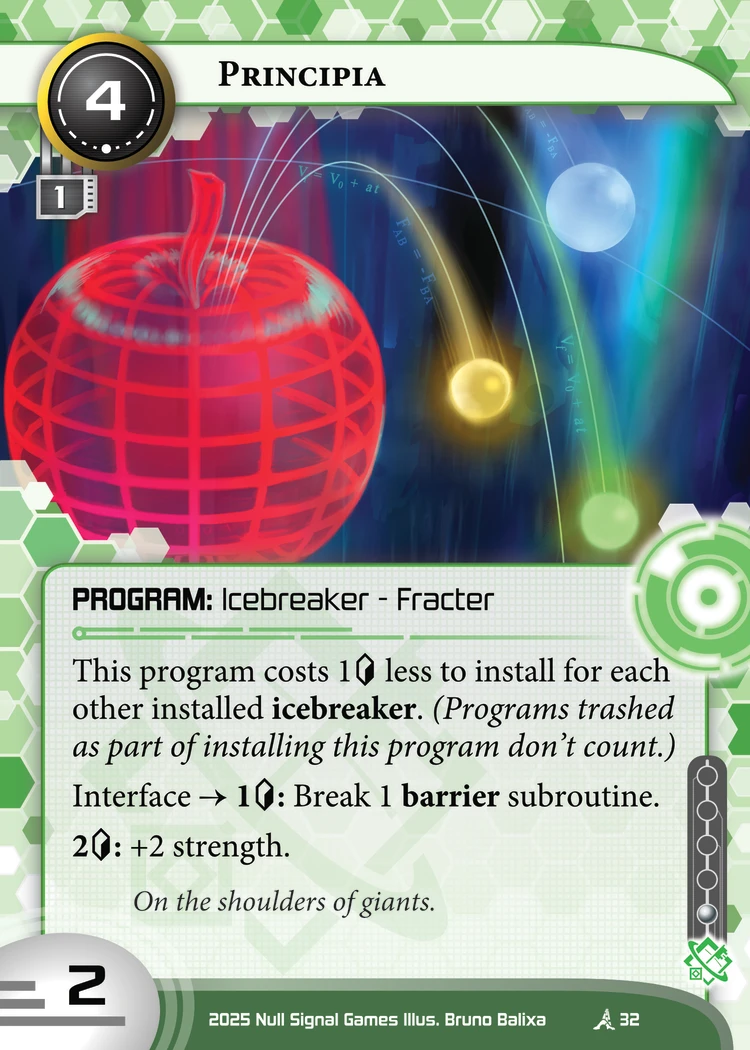
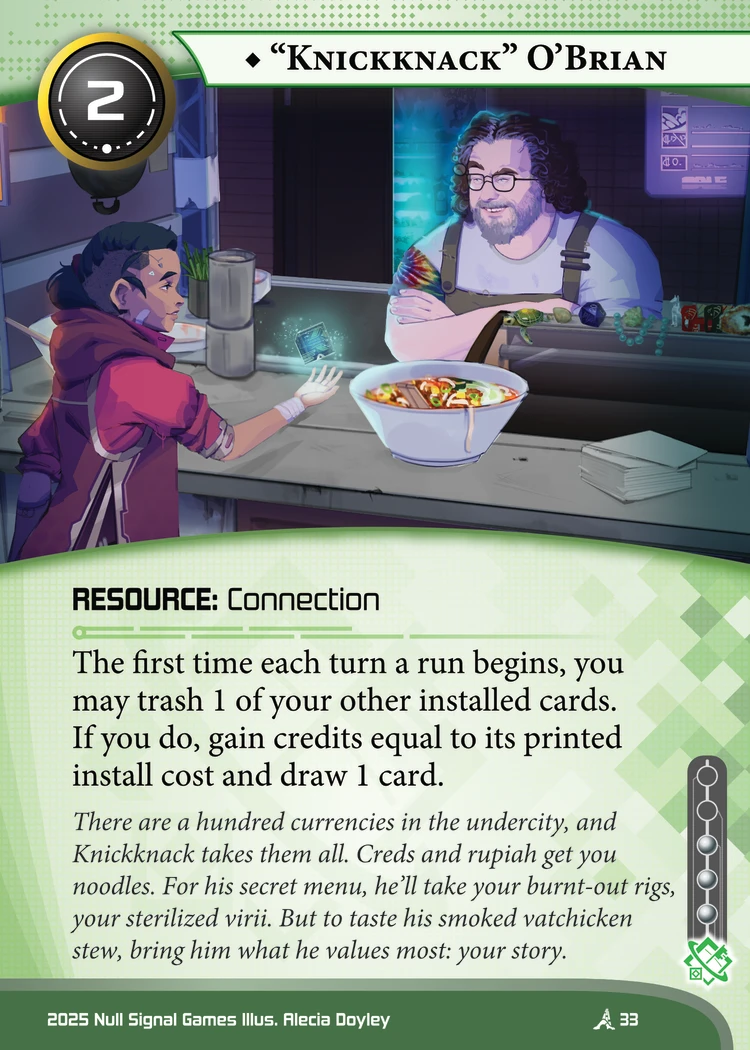
Magdalene is a slower runner than both of the prior entries. They want to sit back, fill up Madani with various programs and install one on the Corp’s turn and on their own turn to maximize the DZMZ Optimizer value. The deck opts for a Principia – Knickknack based economy to show new players the value of sequencing out installs and juggling memory to grind out value in the long game.
Corporations:
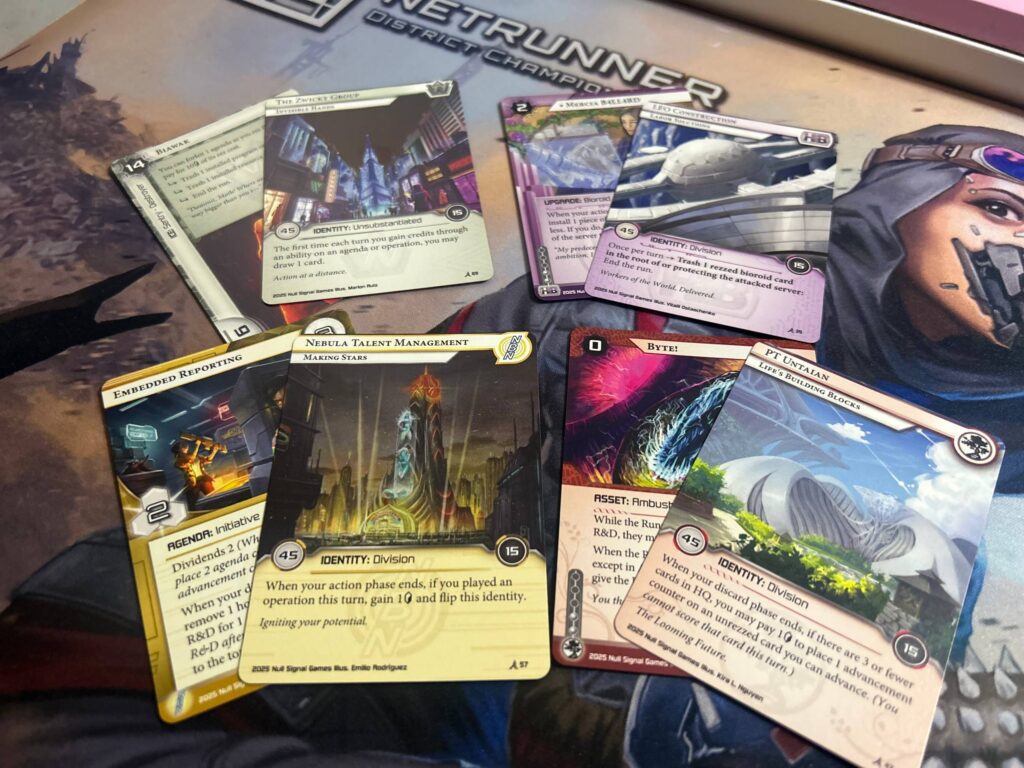
Weyland: The Zwicky Group – Supermodernism Rush
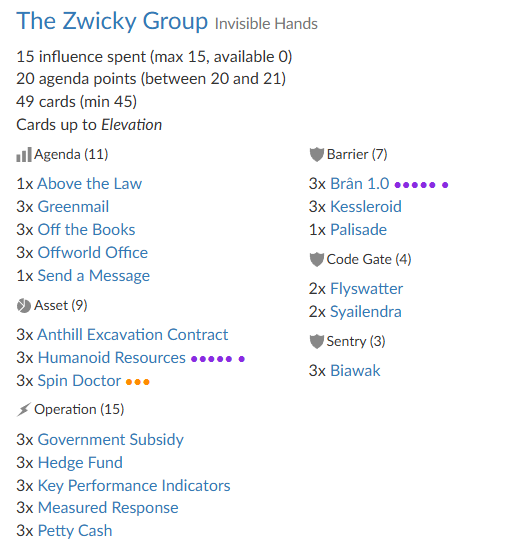
Goal: Showcase how fast Weyland decks can close out games: either by scoring out, or outright flatlining the Runner. This is Supermodernism.
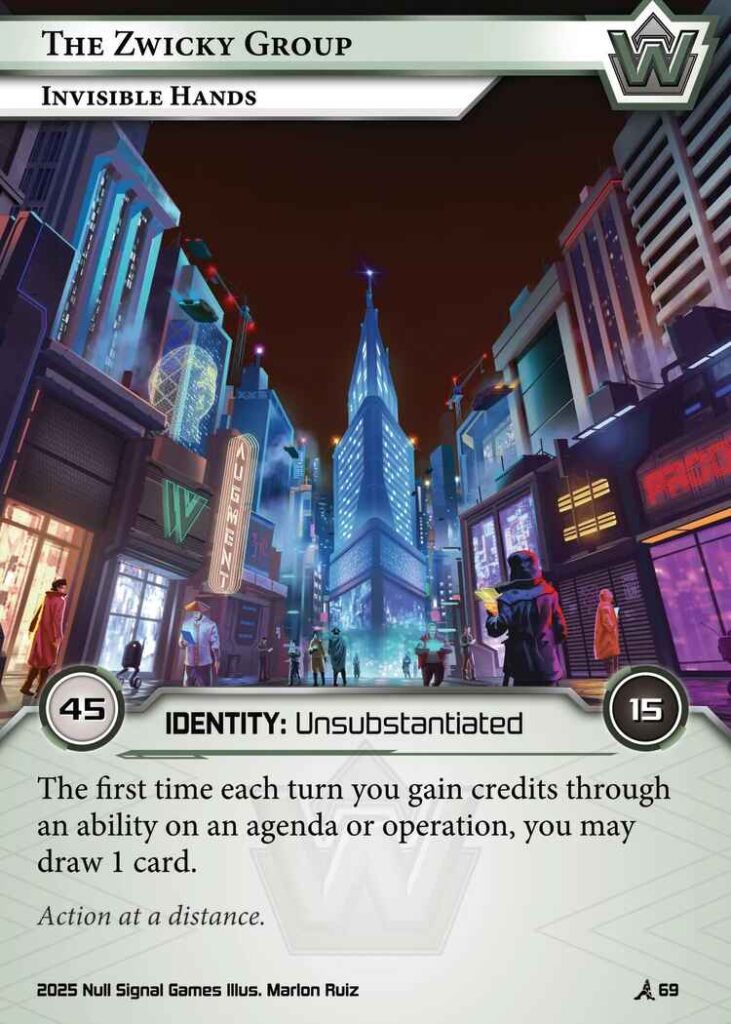
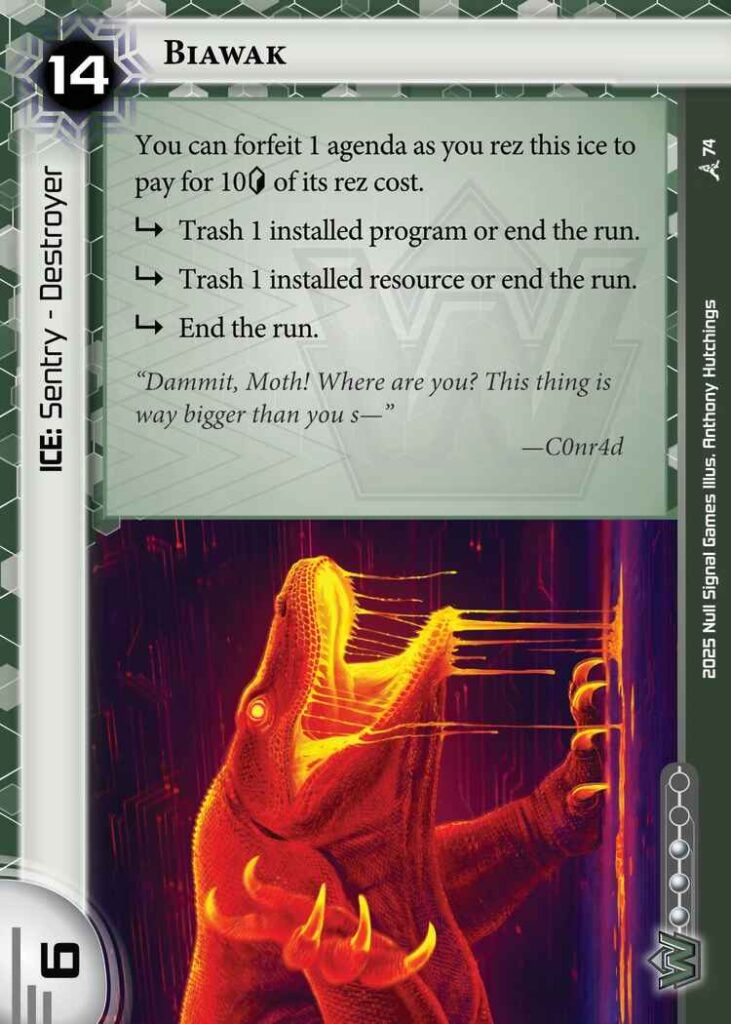

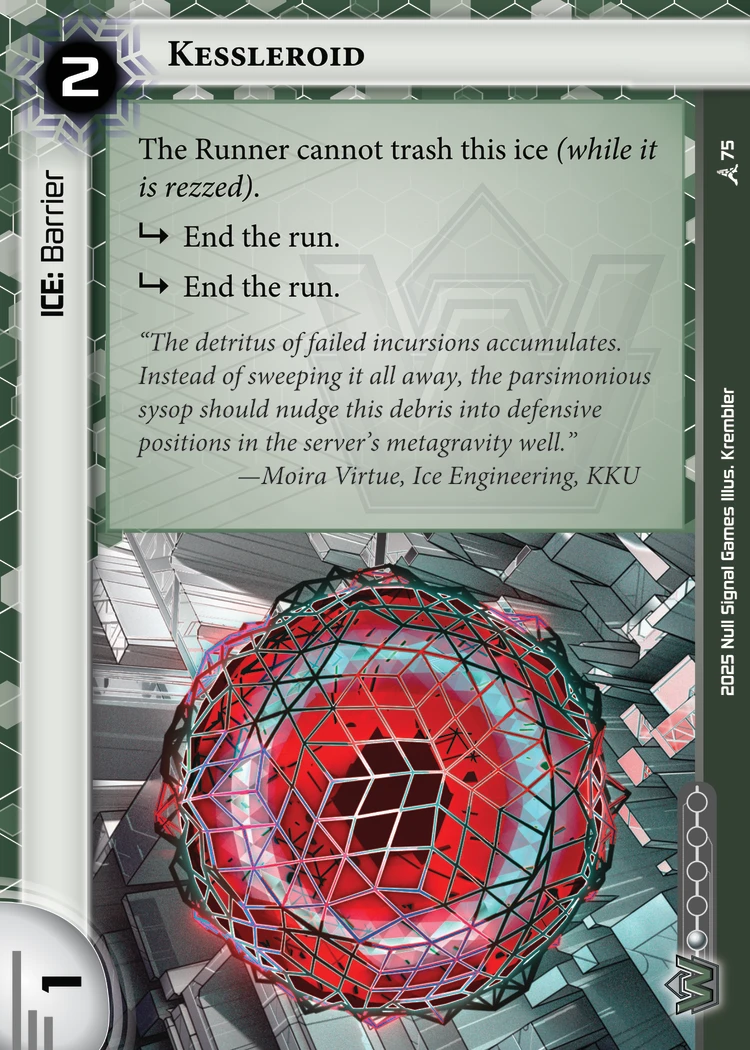
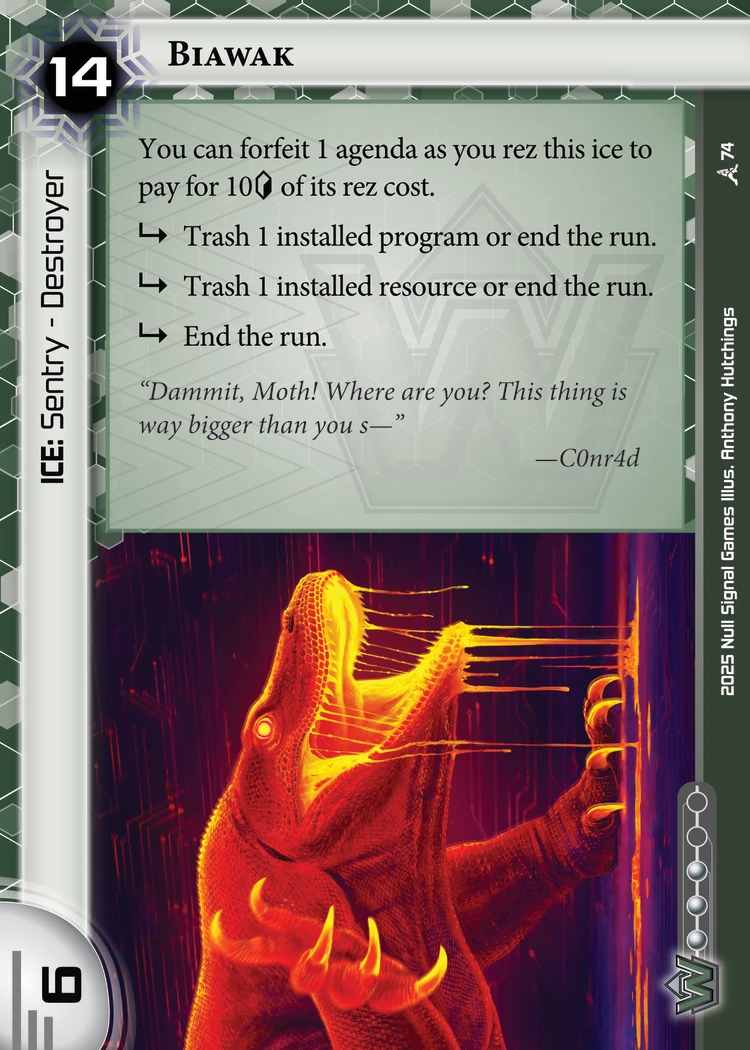
Supermodernism is a tried-and-tested archetype. Have cheap End the Run ice such as Kessleroid, a natsy Sentry in Biawak to punish mid-game contests without killers installed, and a way to flatline the Runner via Measured Response if they interact with your board.
Zwicky Supermodernism NRDB Link and Guide
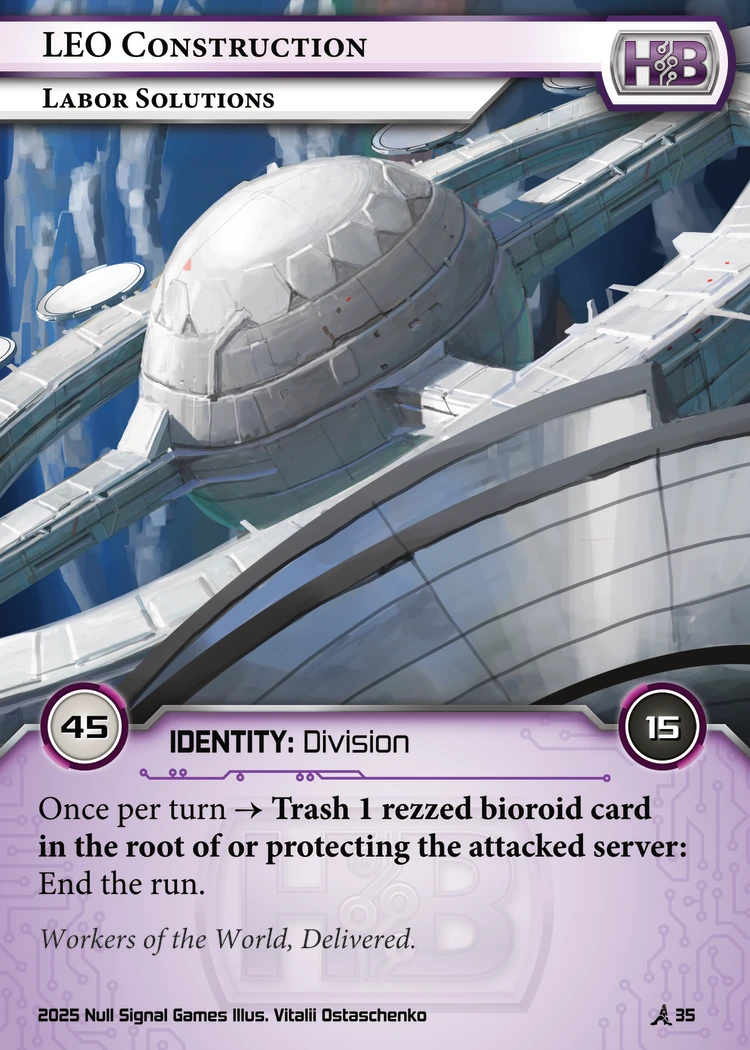
Haas-Bioroid: LEO Constructions – Glacier
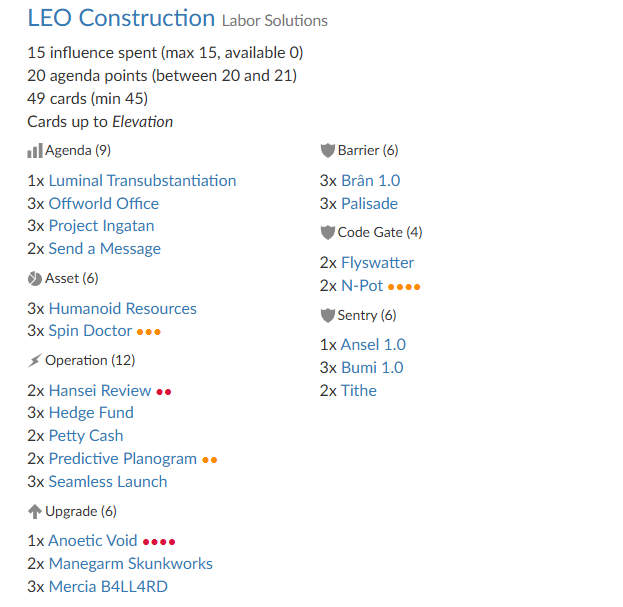
Goal: Showcase how LEO can grind out wins by draining the Runner’s money though several layers of expensive ice, also known as a Glacier deck.
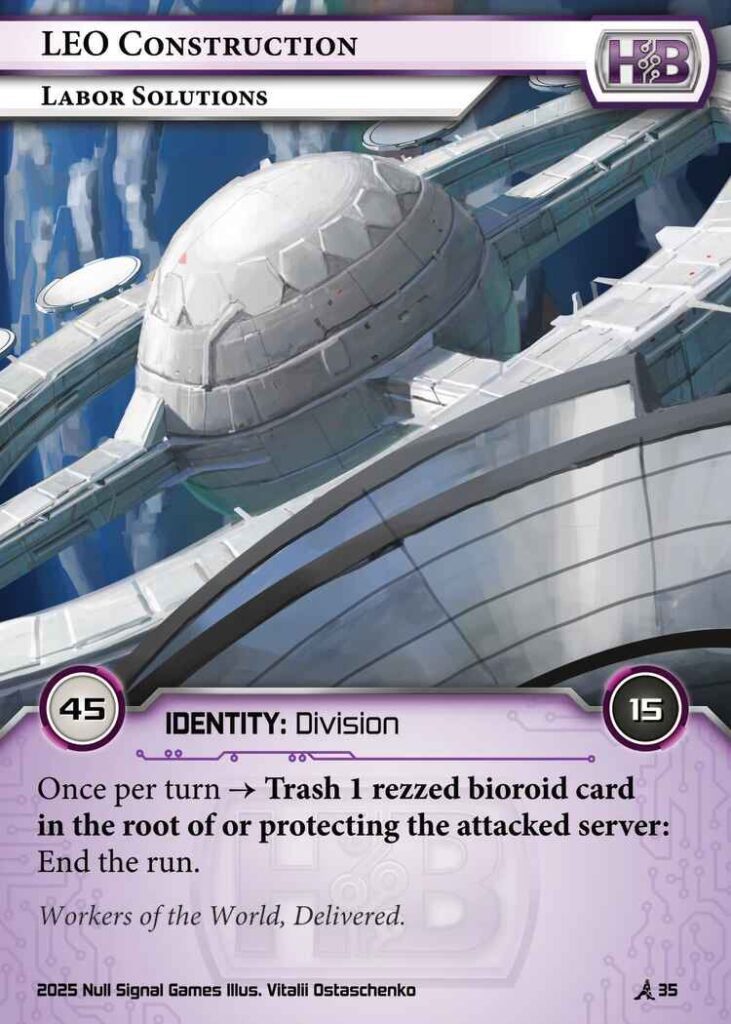
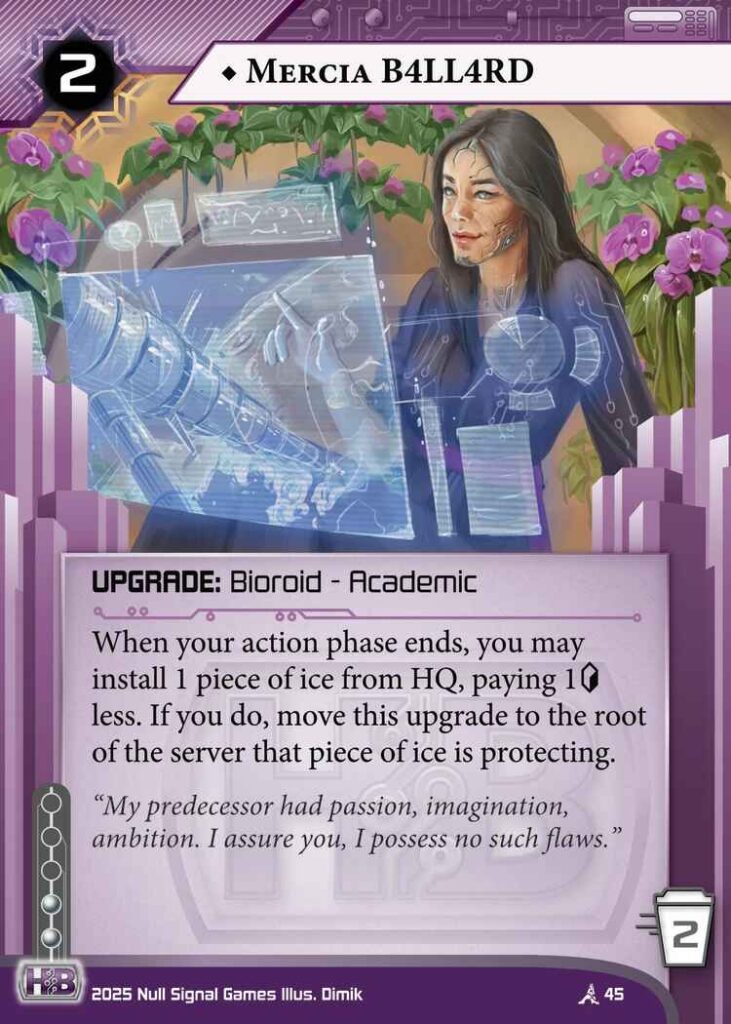
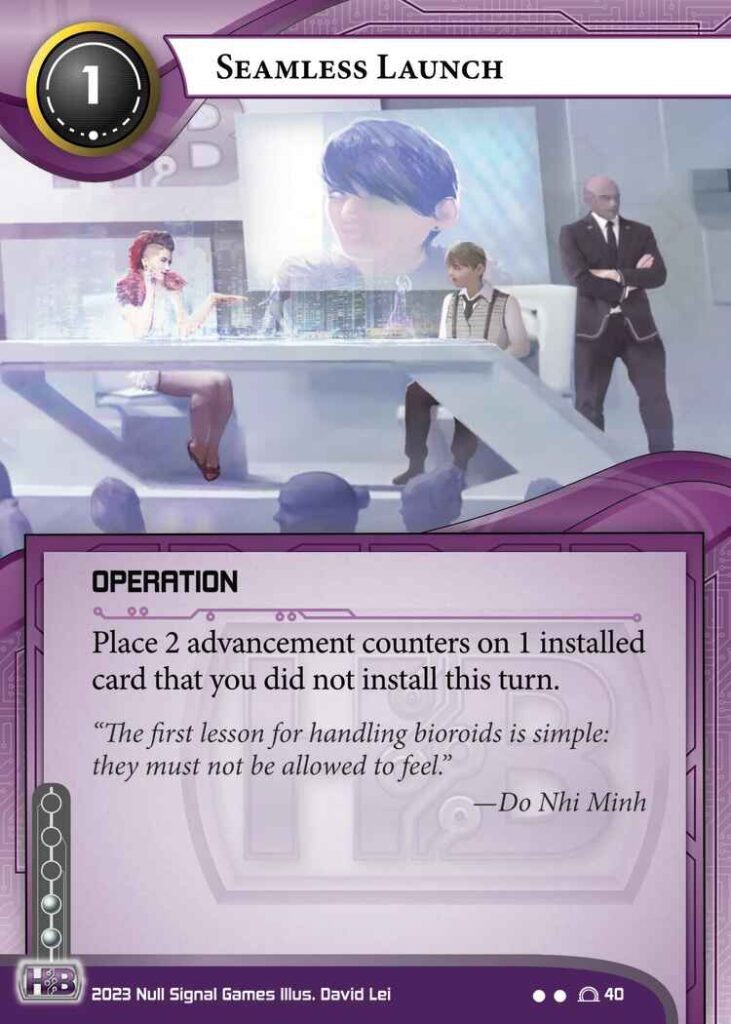
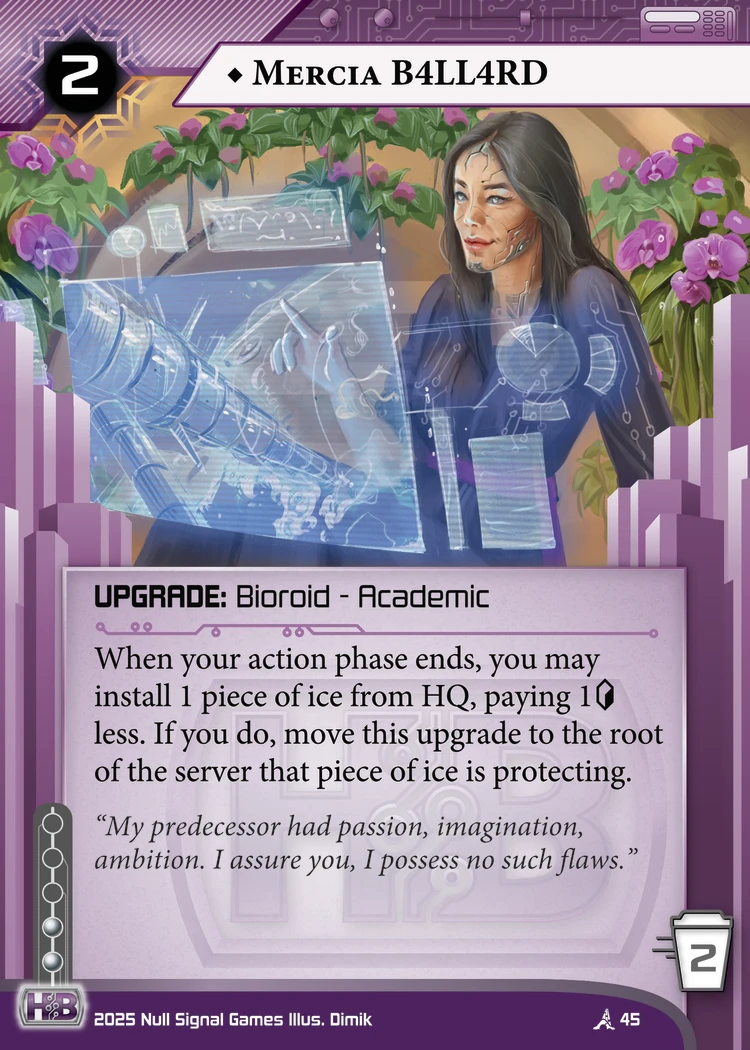
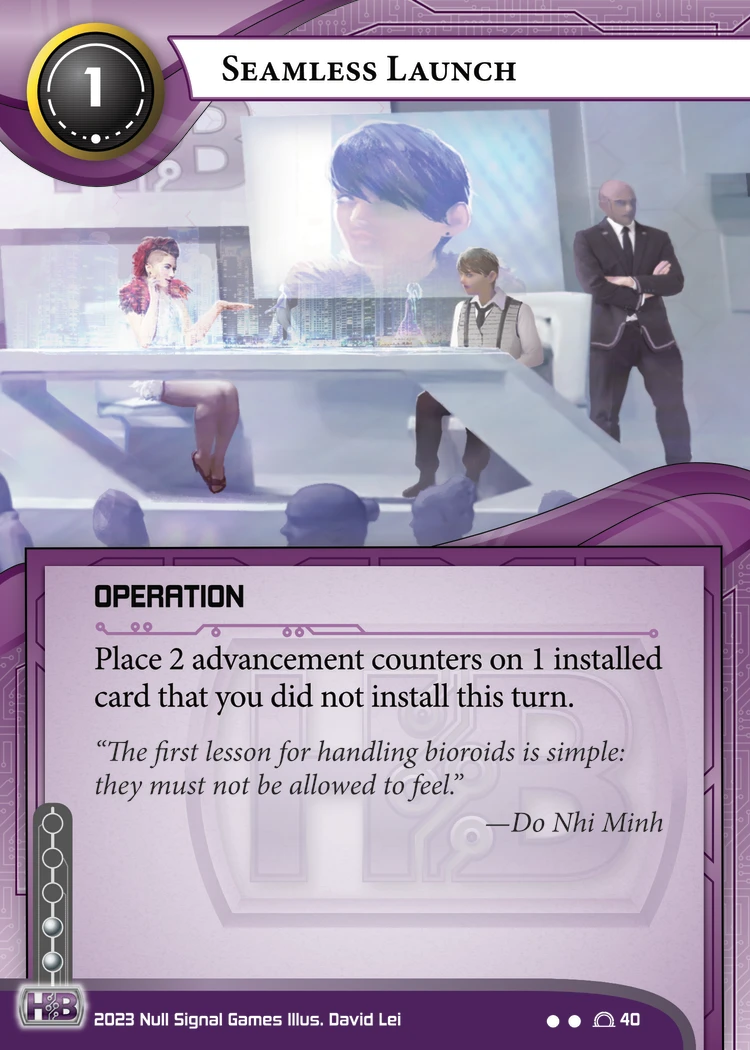
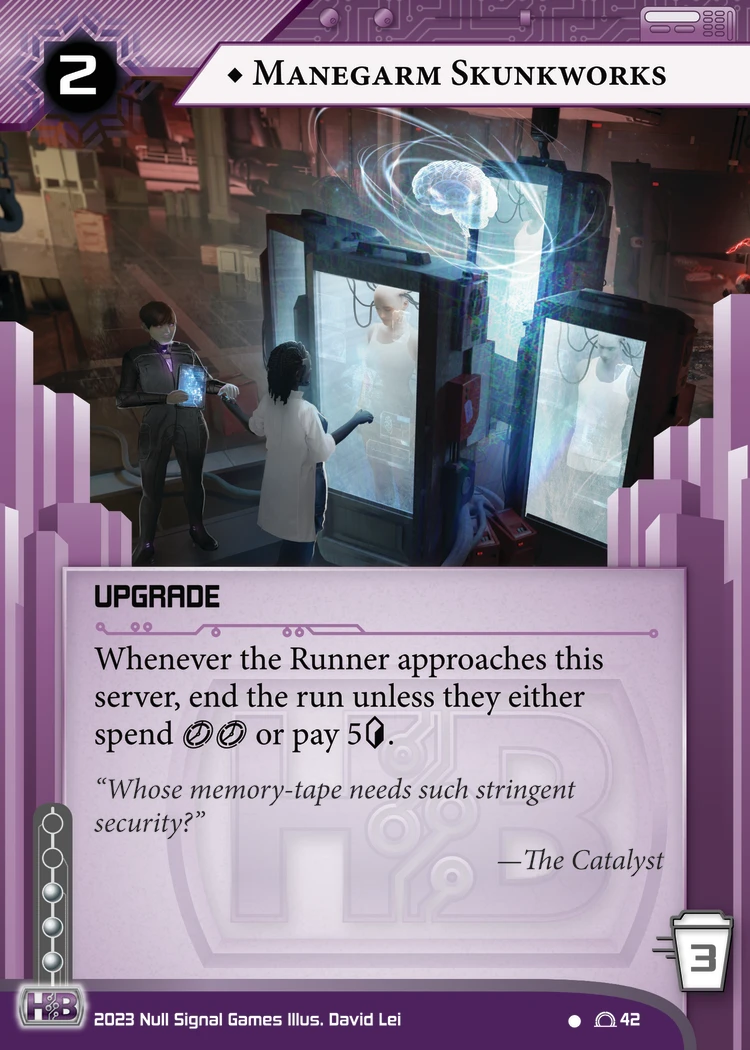
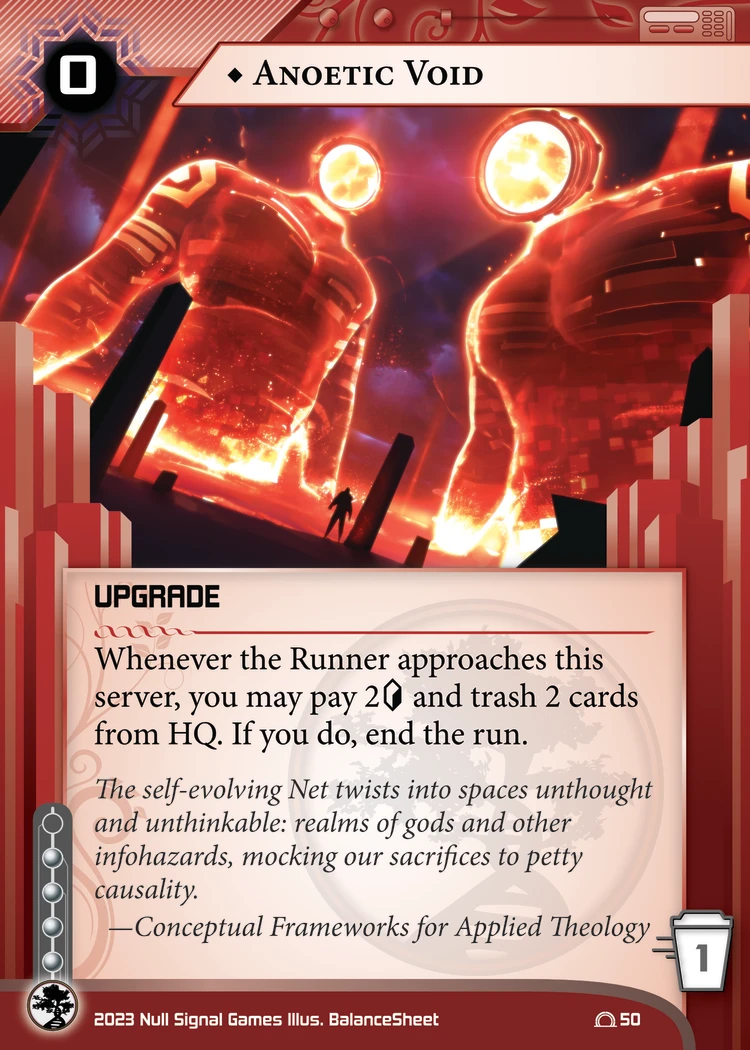
This LEO deck is literally just agendas, money, and protection. You want to play a slower game as you slowly build up servers with Mercia B4LL4RD, and threaten “never-advance” scores on a 5/3 by using double Seamless Launch + a manual advance to get five advancement counters in one turn. Manegarm Skunkworks plus Anoetic Void is a nasty combo, specially in Core, so your remote server is near impenetrable.
LEO Glacier NRDB Link and Guide
NBN: Nebula Talent Management – Fast Advance
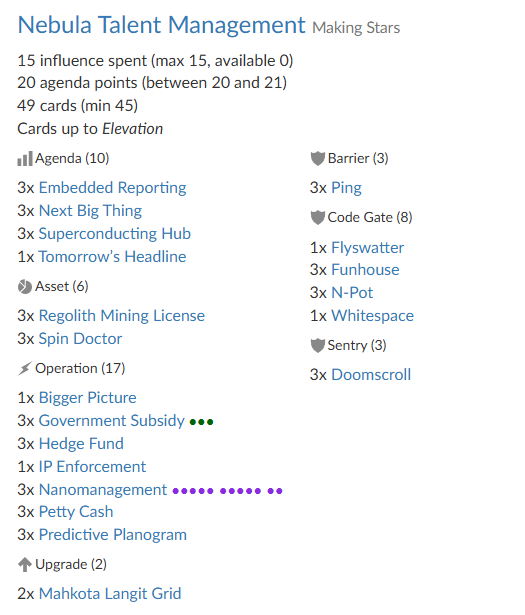
Goal: Showcase a more unique, combo-oriented playstyle by setting up zero remote servers and scoring every agenda out from hand, AKA Fast Advance.
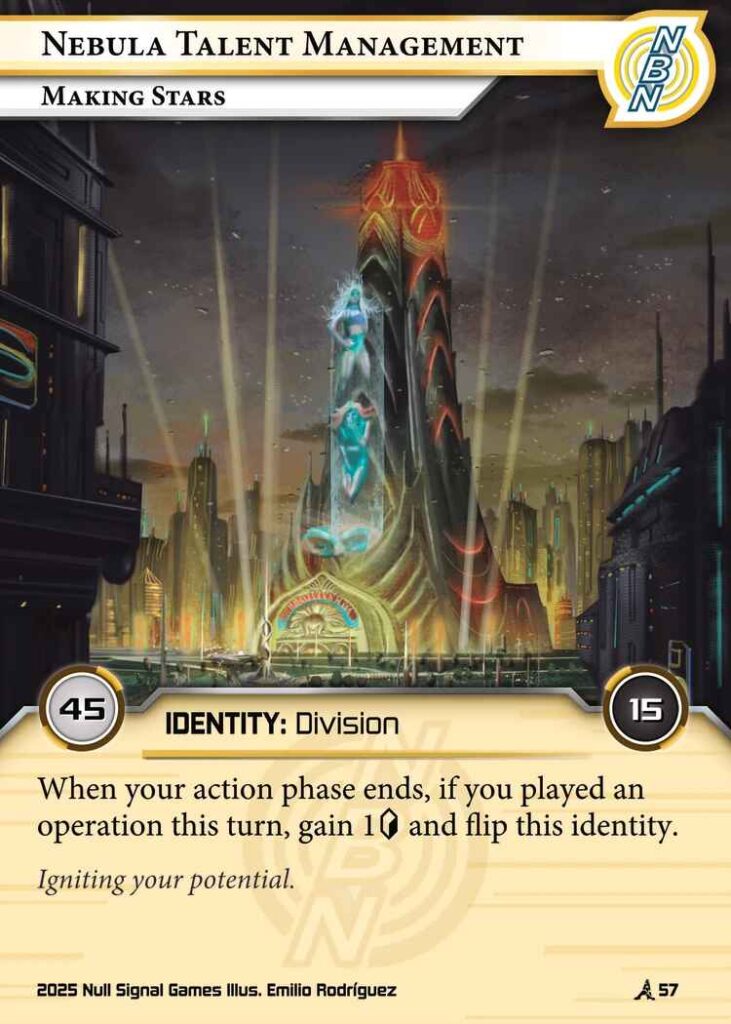
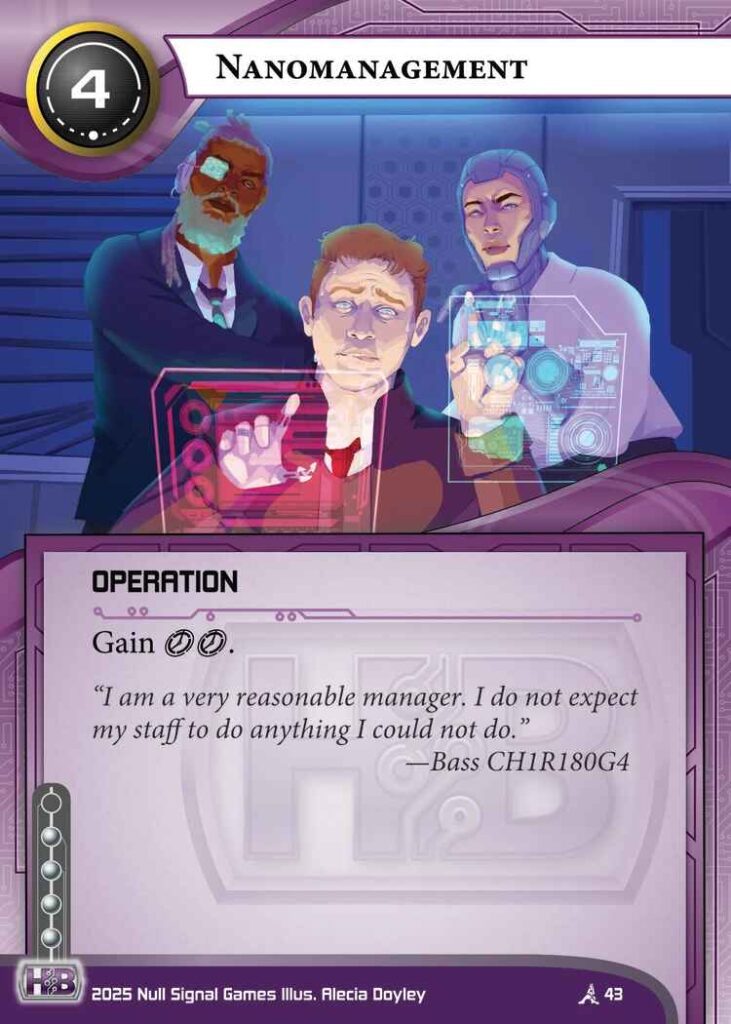
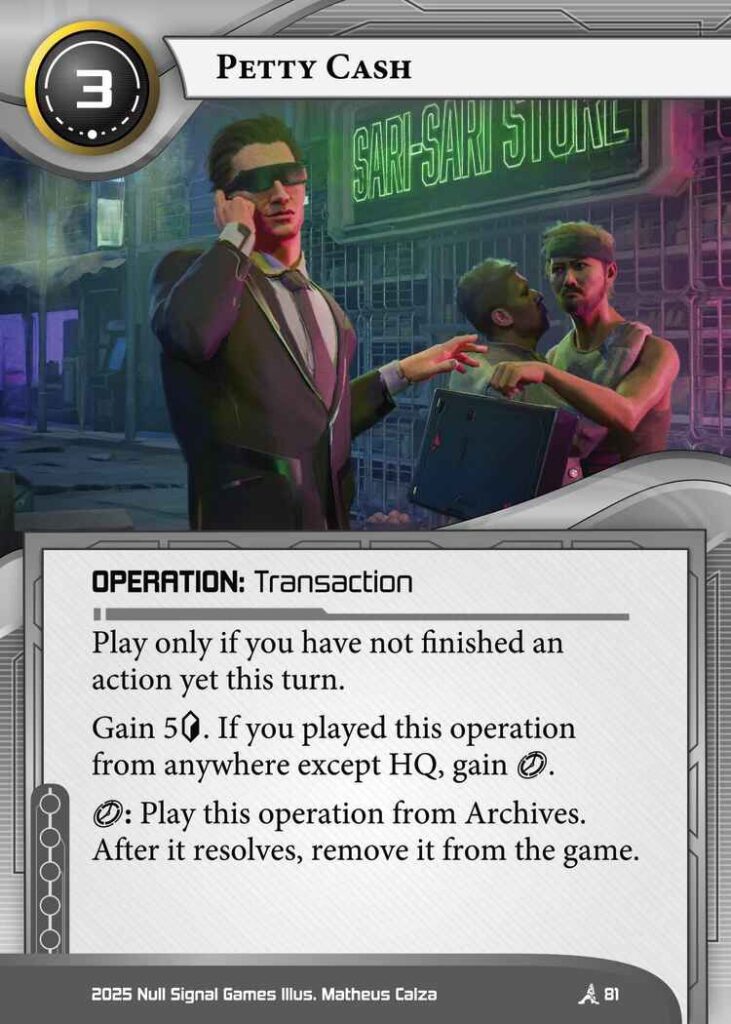
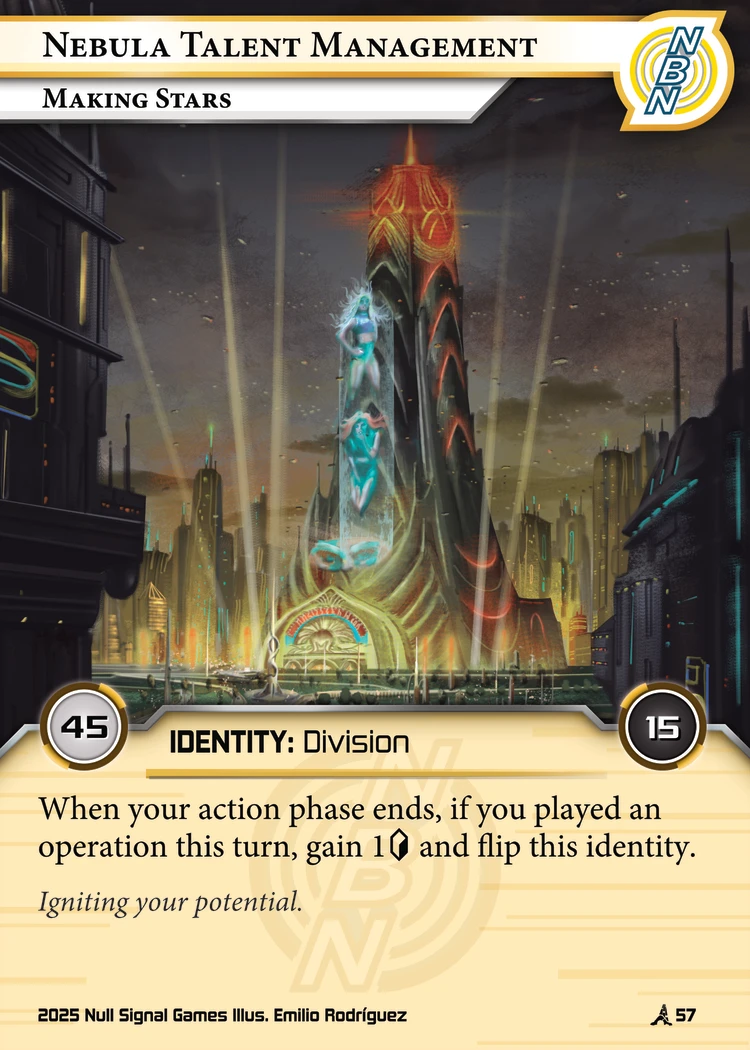
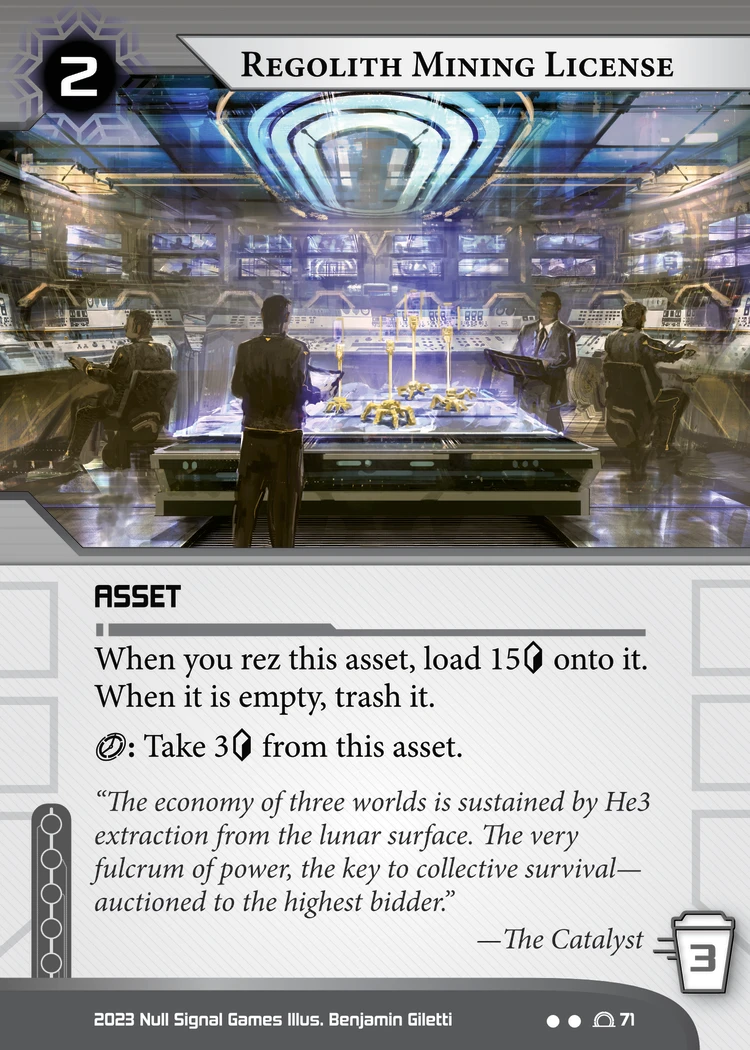
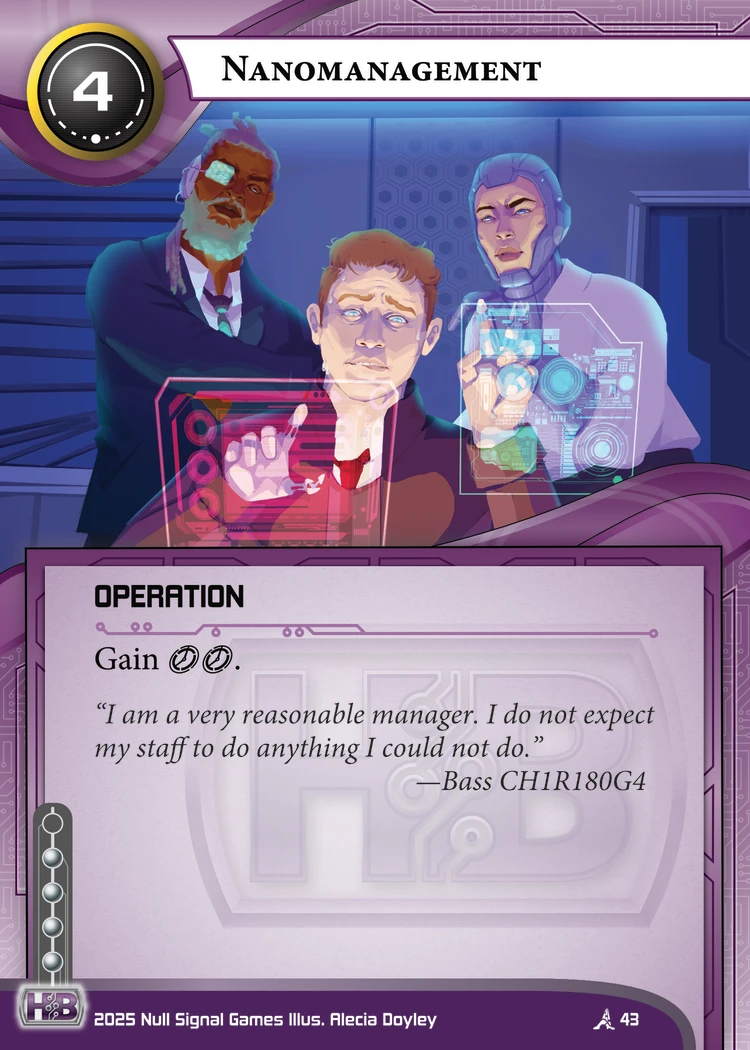
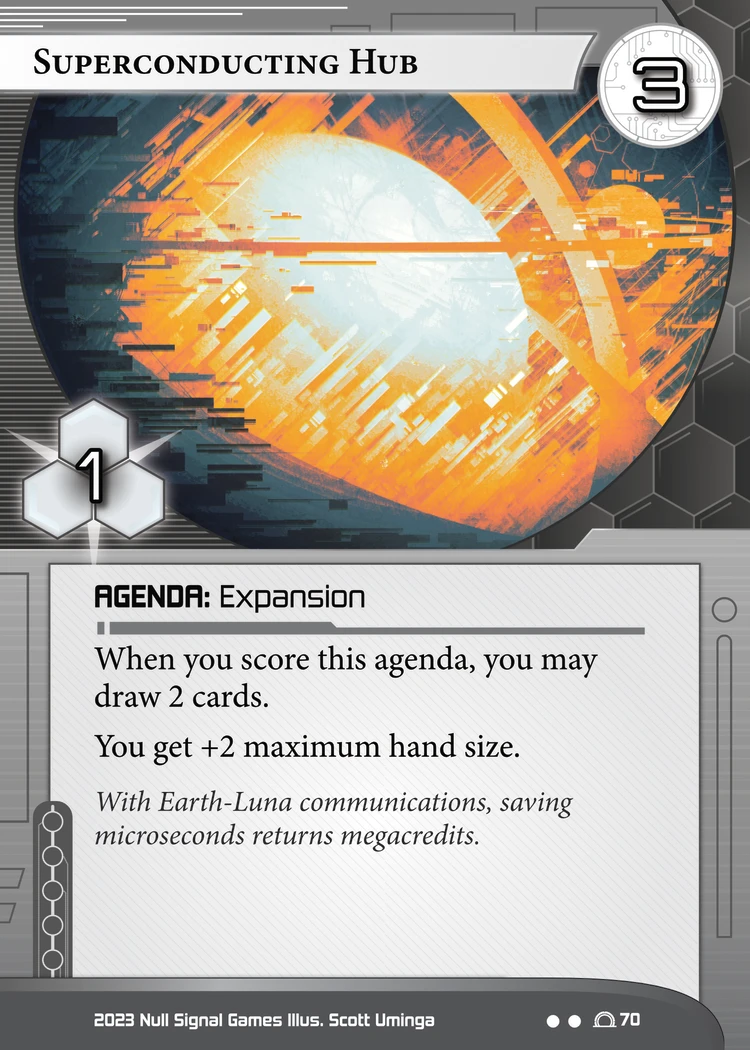
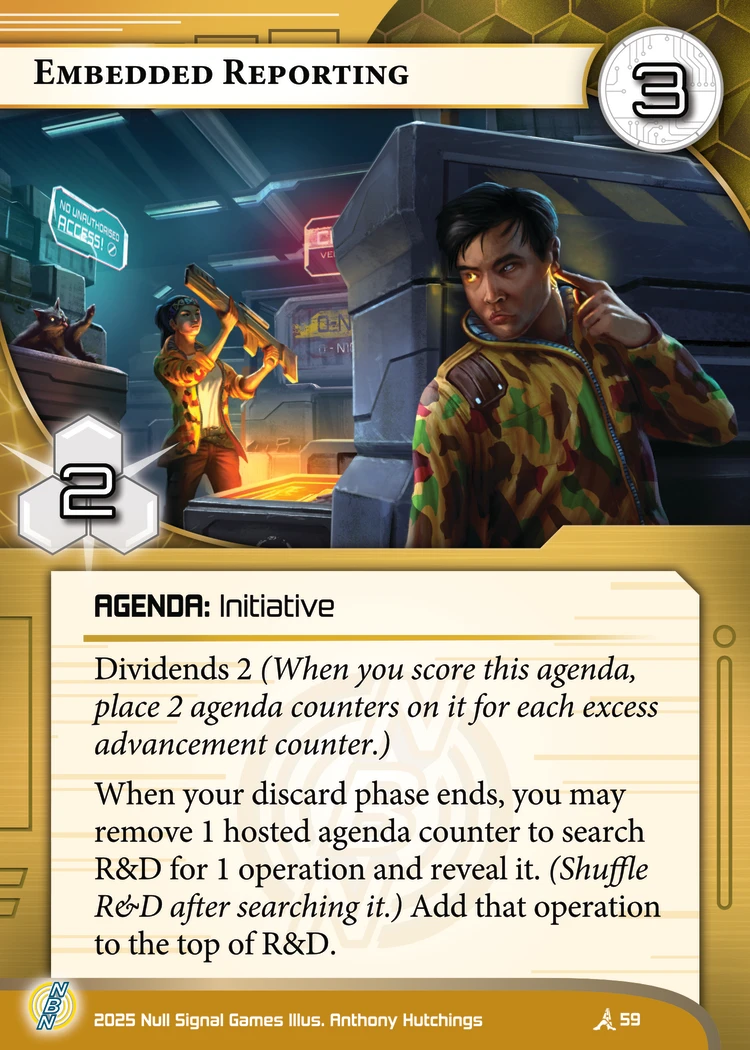
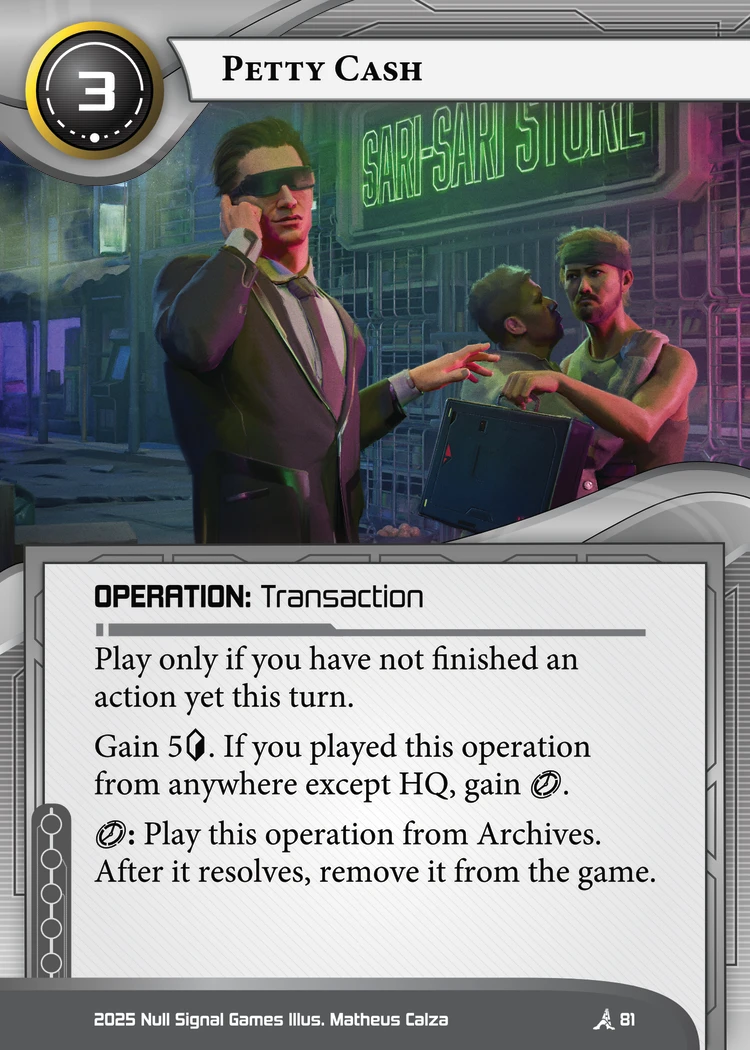
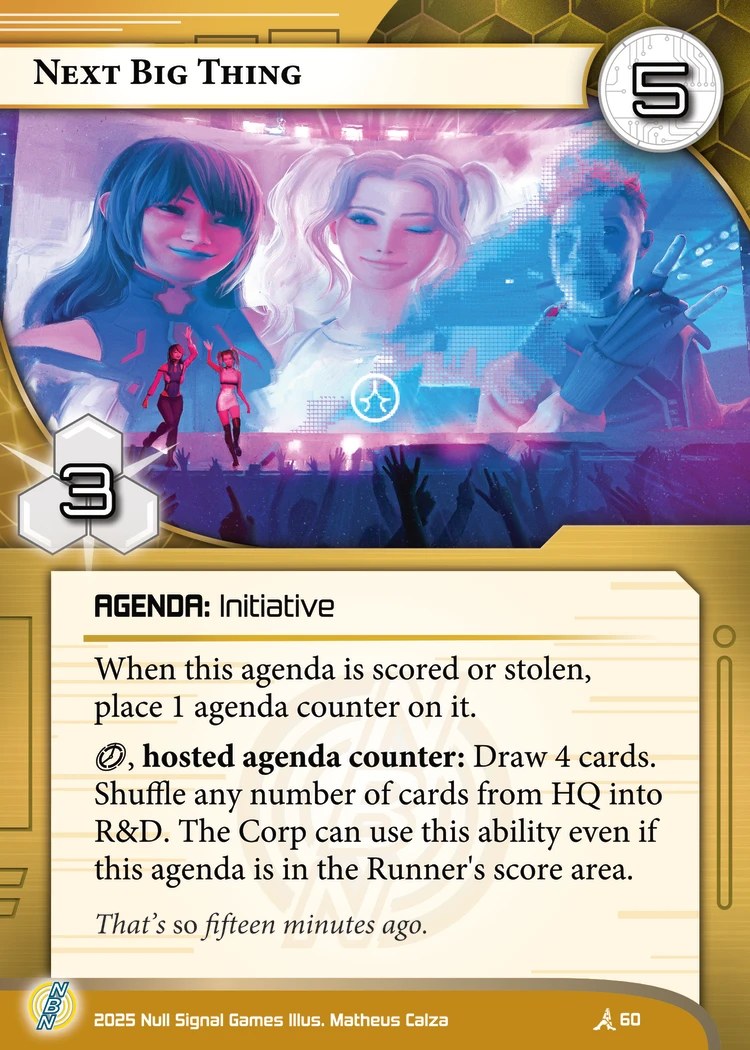
This Nebula deck is a great way to showcase the flexibility of how Netrunner decks can be constructed. While most Corps require us to build remote servers to score, this deck actively only wants to protect its central servers — and maybe some light tax for the Regolith server. When unflipped, you can use Nanomanagement to get to four clicks to score a Superconducting Hub or Embedded Reporting out of hand via installing the agenda, then advancing it thrice. When you stay flipped, you can play Petty Cash from Archives, bringing you to four clicks, and doing the same. The Next Big Thing can be scored if you are flipped with double Nanomanagement, which brings you up to six clicks.
Nebula Fast Advance NRDB Link and Guide
Jinteki: PT Untaian – Shell Game
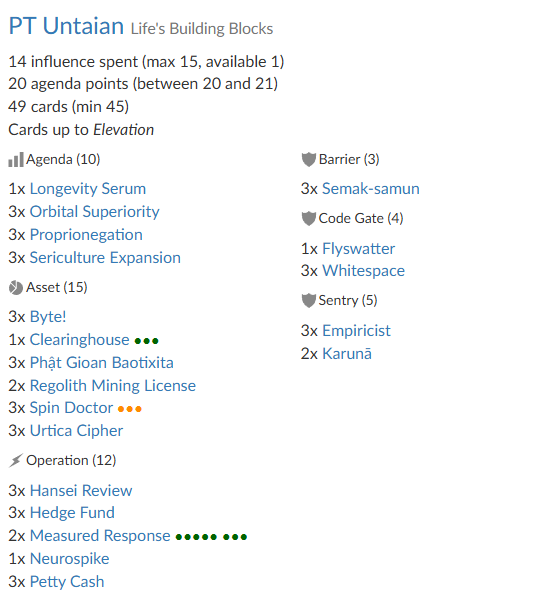
Goal: Showcase how bluffing and mind games actively work in Netrunner through presenting interesting forks which may flatline the runner, or let you score to seven points. It may also feel like an Asset Spam deck, which is another unique archetype new players have yet to explore.
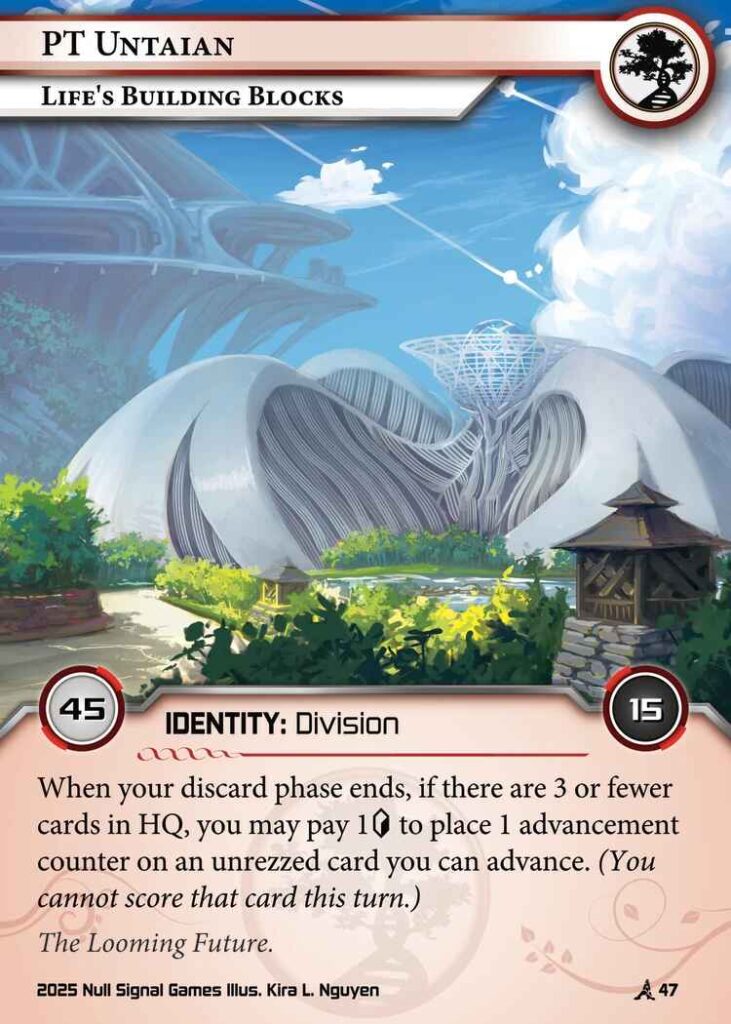
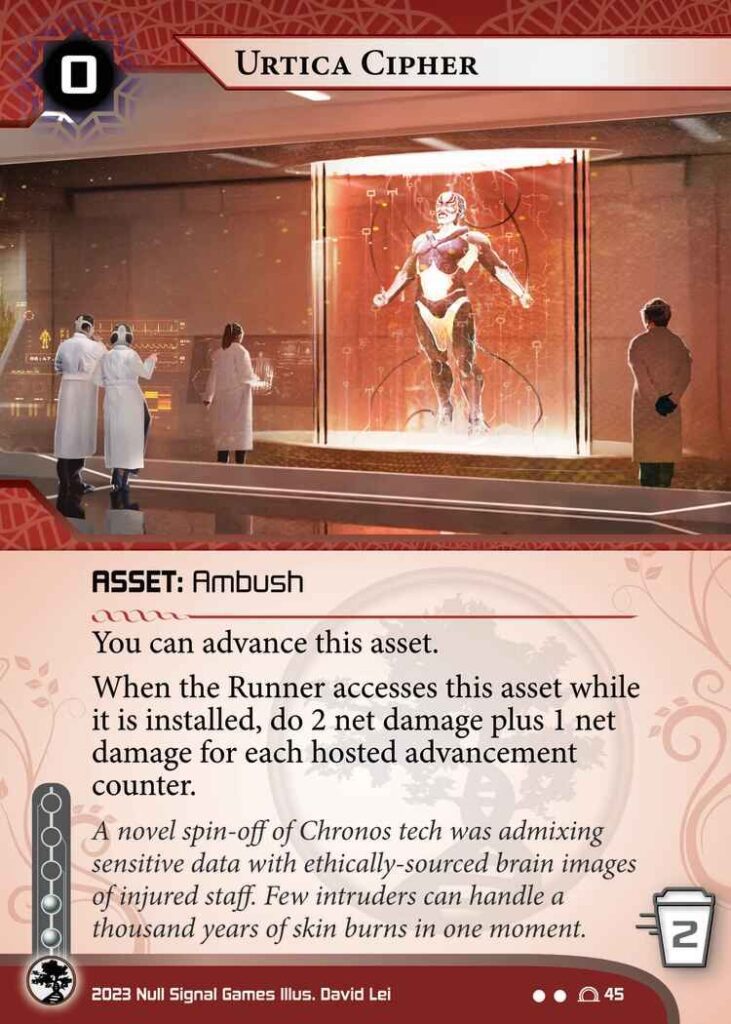
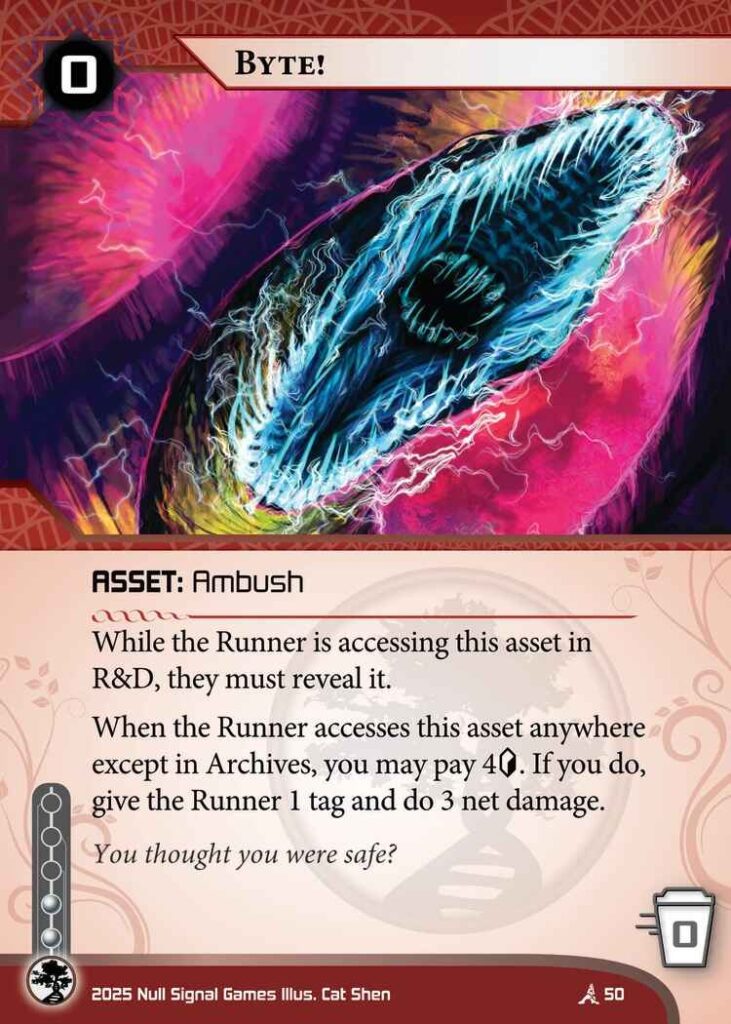
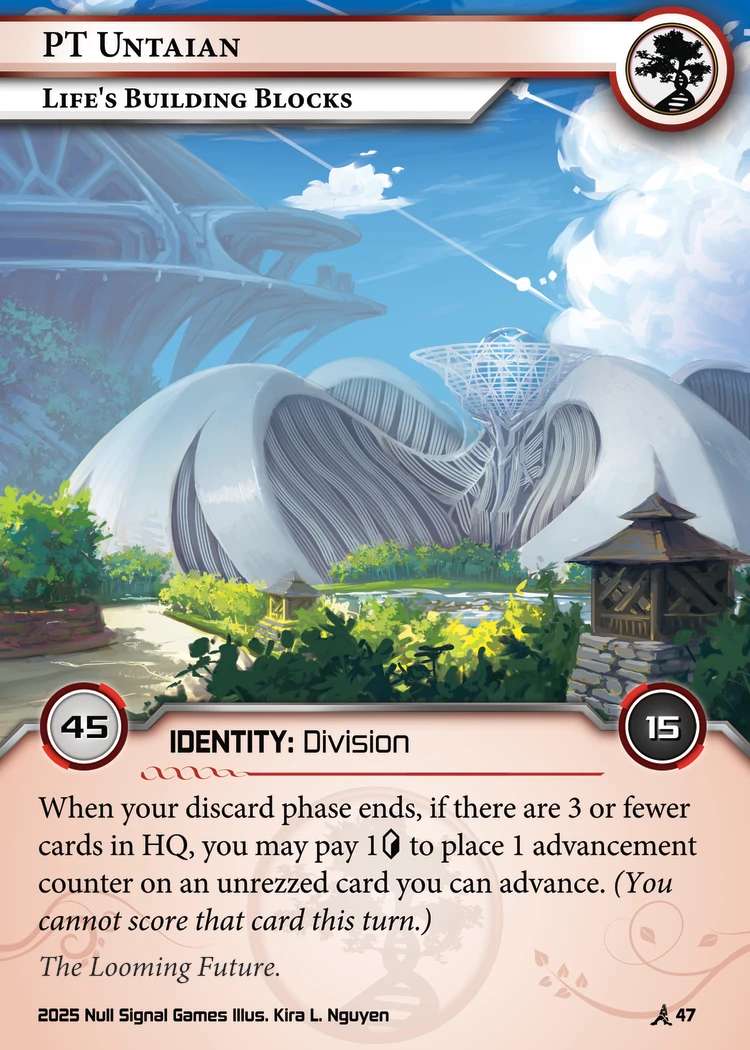
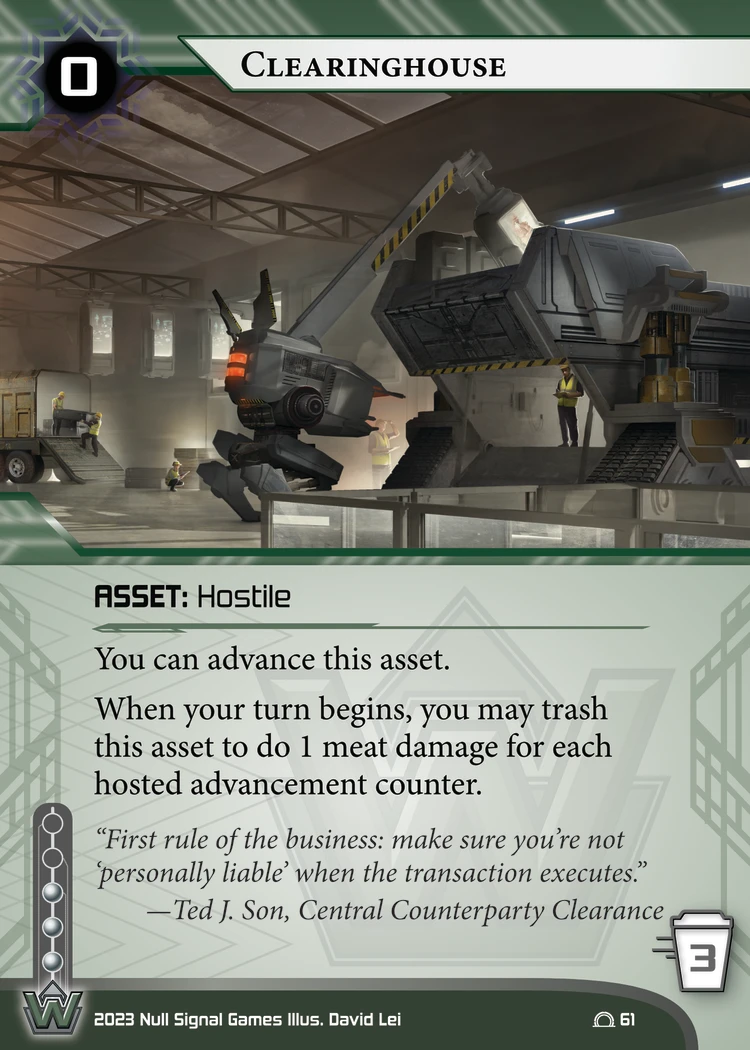
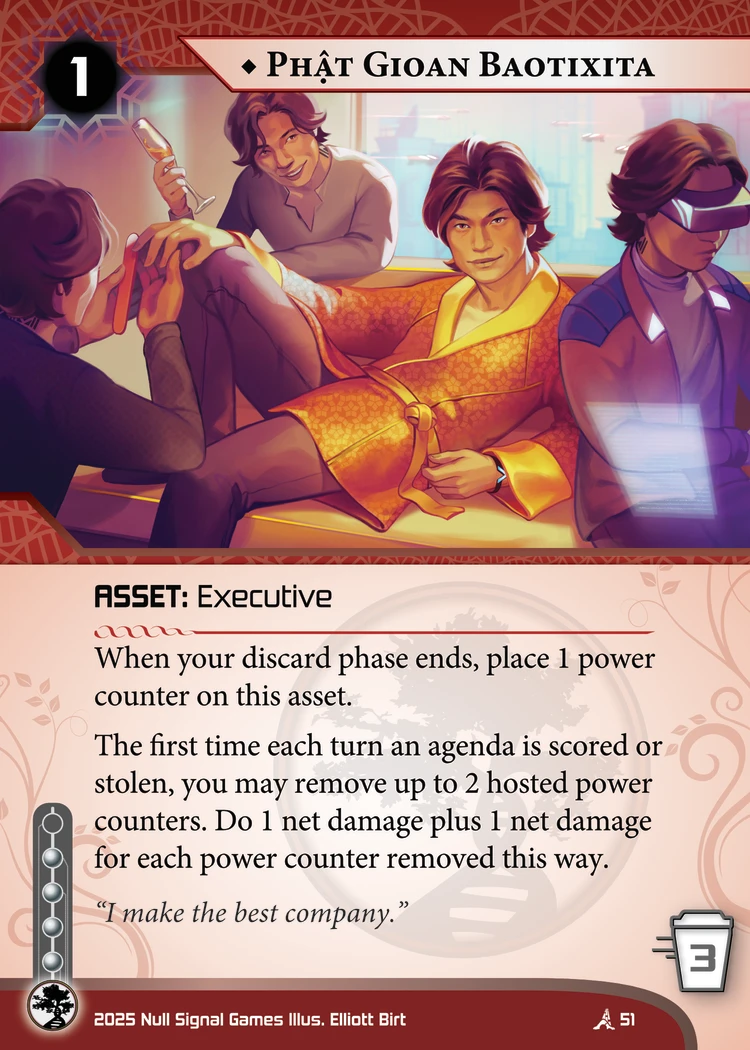
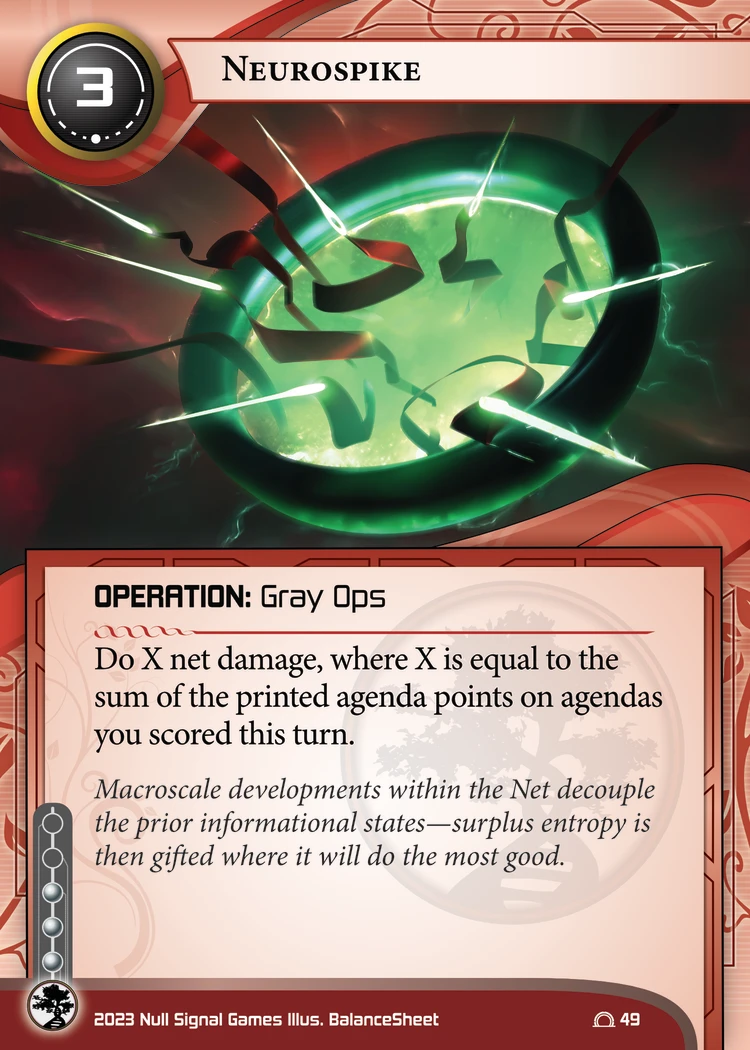
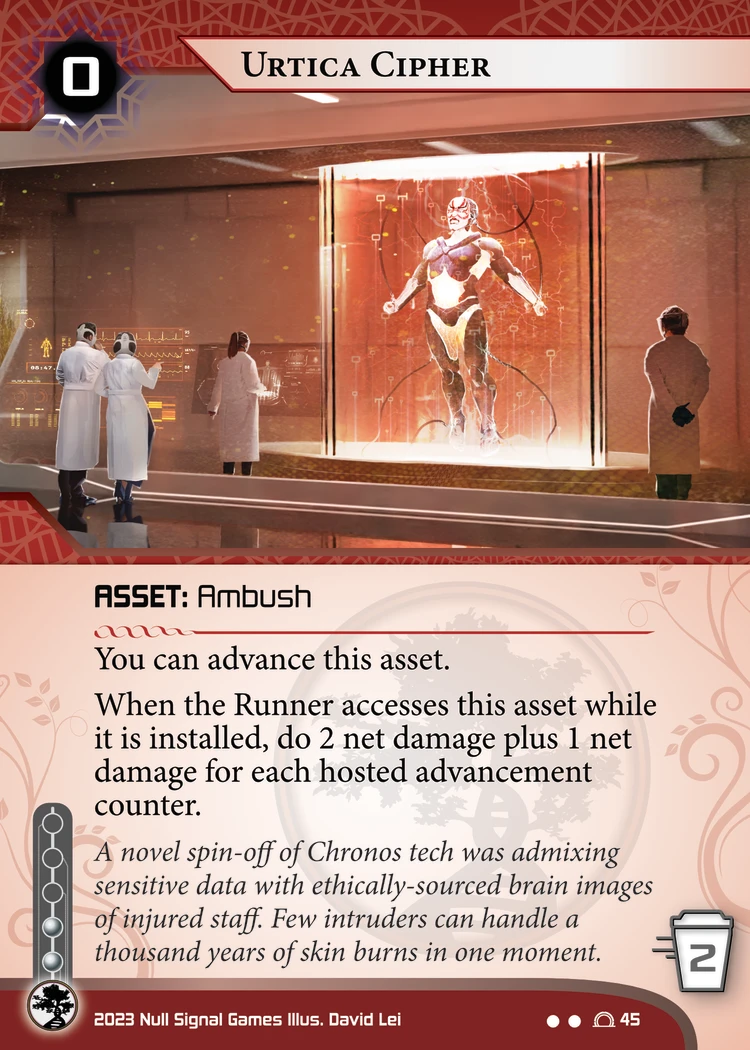
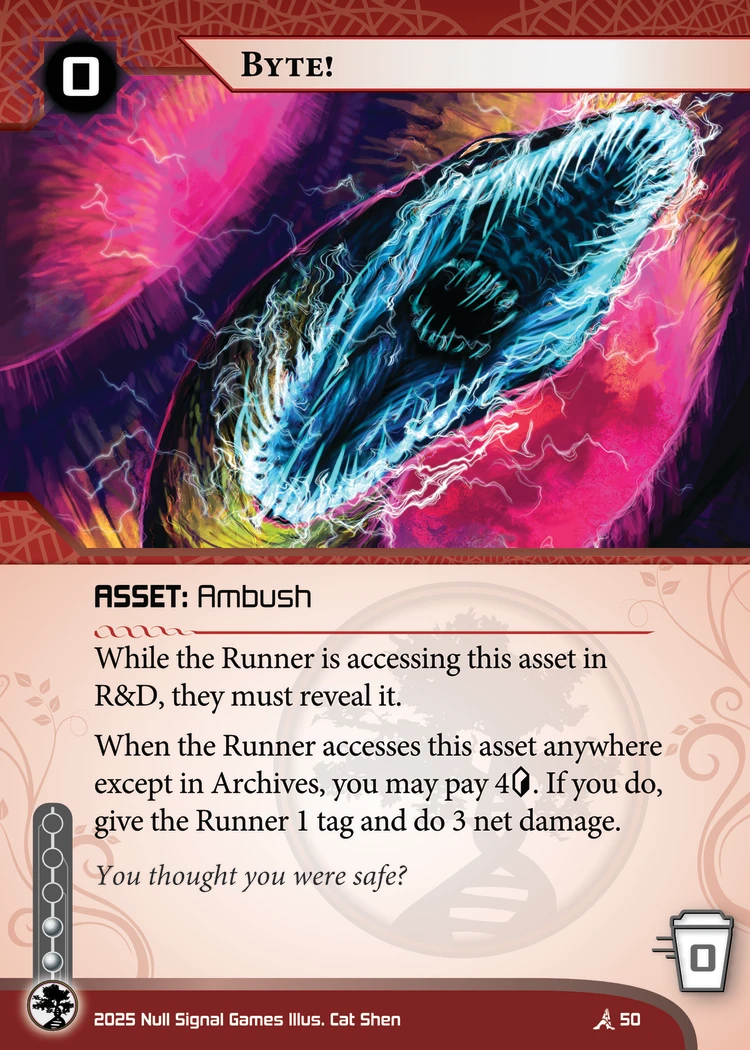
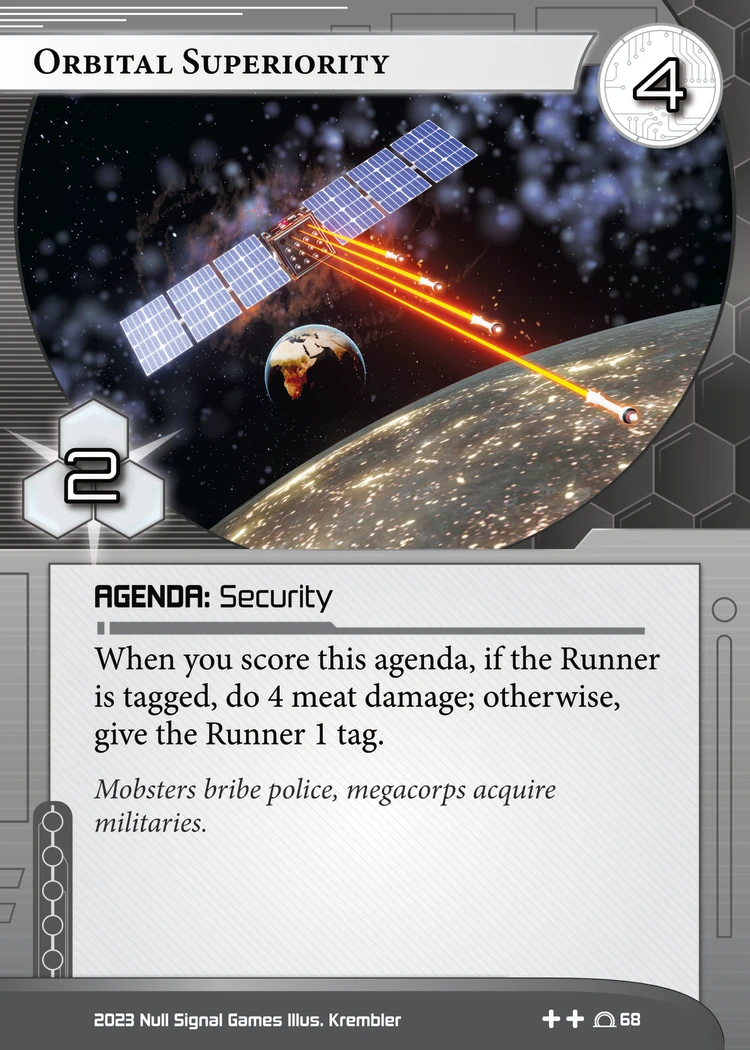
PT Untaian wants to get rid of cards in HQ as fast as possible to activate its end of turn ability. Ideally, you are installing three assets on turn one and advancing one of them, taunting the Runner to check it early, else it might be an agenda or a Clearinghouse. You present interesting forks through cards like Phat Gioan Baotixita and Neurospike, or playing the classic “Is it an Urtica Cipher or Clearinghouse? game“. Byte! is a classic and has a punish in the form of Orbital Superiority to teach Runners they should have damning reason to run last click.
PT Untaian Shell Game/Assets NRDB Link and Guide
Print and Play Files
While these lists can be built from a single copy of Core (meaning, one each of System Gateway and Elevation), if you want to build all the decks simultaneously, you will need to print out extra copies of certain cards. The list for the extra cards can be found here for the Runner and for the Corp.
Each NetrunnerDB decklist also has an option to print out the decklists.
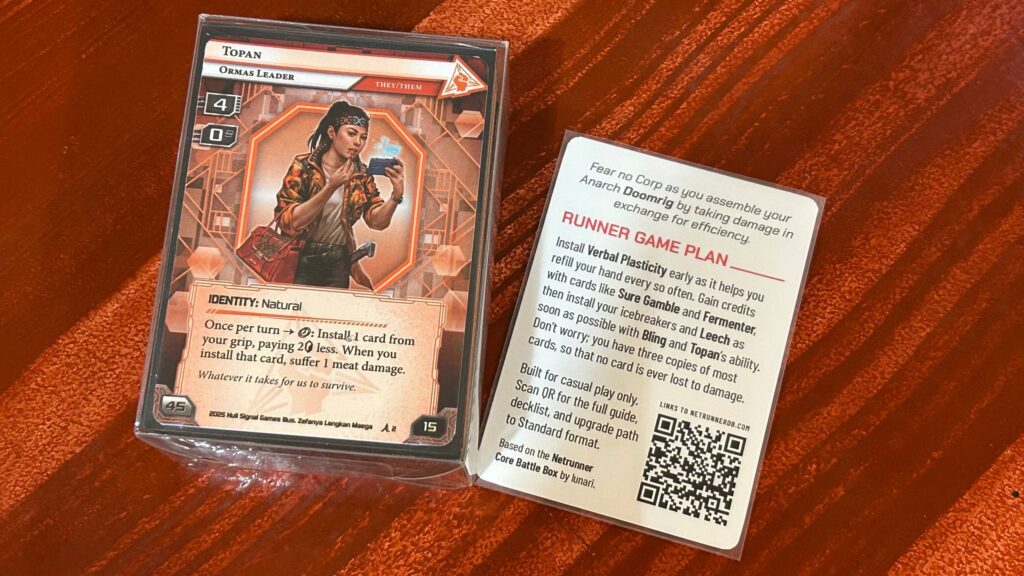
Finally, community member Novin has provided printable files, which includes a front-facing introductory card, along with a short primer on how to pilot the deck, and a QR code which may be scanned to lead to the NRDB page for a full guide. The files are available on BoardGameGeek.
These lists are not set in stone and may be tweaked. As such, the NRDB links will have the updated decklists. As a reminder, Netrunner is always free-to-print; you do not need to buy System Gateway nor Elevation to build these decks! You can simply print these out and get to playing immediately. My hope is the CBB can be used to show new players who already know the rules what more Netrunner has to offer.