
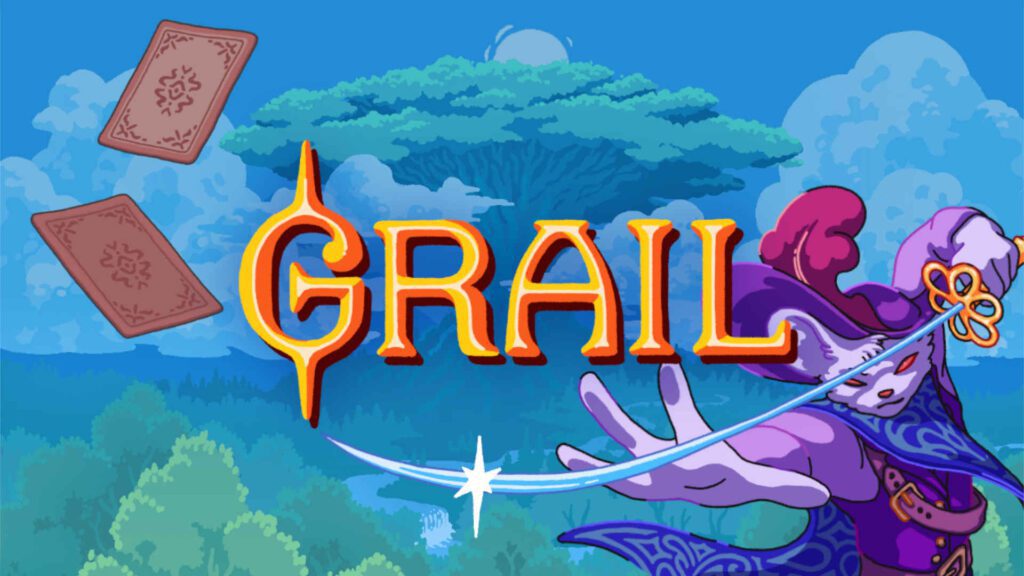
Deckbuilders and deckbuilding roguelikes are hugely popular right now, in the wake of games such as Slay the Spire, Balatro and countless more. Generally, by their very nature as card based games, deckbuilders are turn-based, meaning you pick a card or cards, make your move and then the opponent does the same. Though that’s also the case in new deckbuilding roguelike, Grail, what’s interesting about it is that it’s an auto battler game. This means that you build your deck between turns, but during combat the deck essentially plays itself automatically! Is Grail worth playing? Let’s find out!
The Basics of Grail
As mentioned, Grail takes the strategy game mechanic of auto battling and applies it to deckbuilding. It’s not unique in that respect; there are games such as The Bazaar which use broadly similar mechanics. In Grail, you’re an anthropomorphic woodland creature, battling your way through an adventure that’ll also see you building and upgrading cards, taking on side quests and checking out random events, amongst many, many other things.
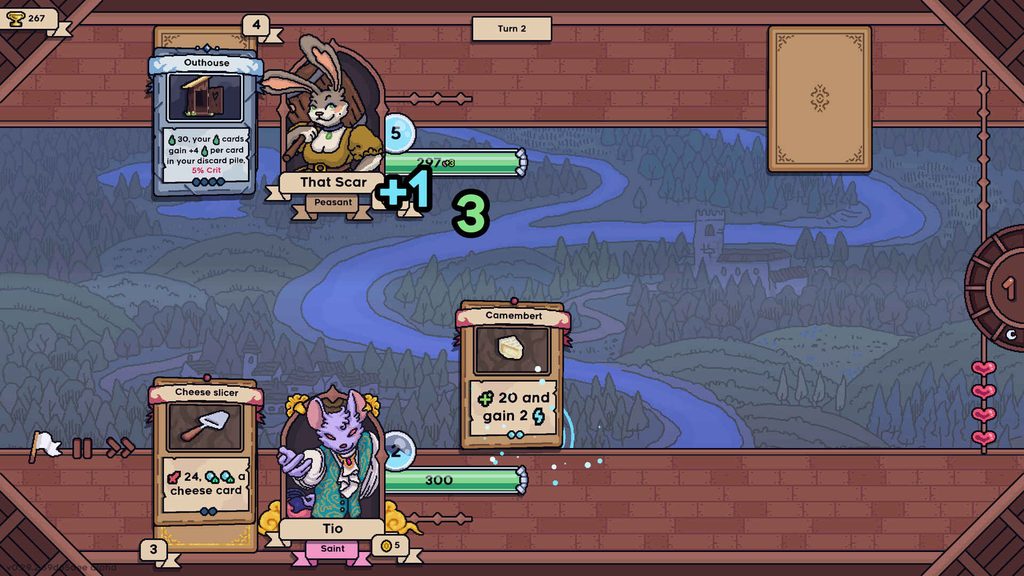
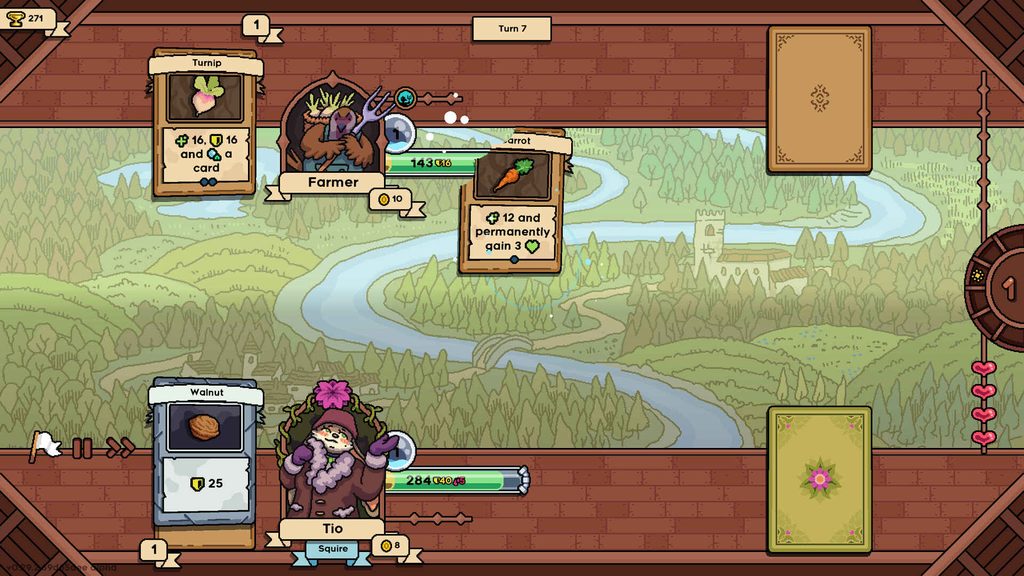
You start with just three cards in your deck, and during combat you’ll immediately see that you just sit back, then watch battles unfold as your cards are drawn and played automatically. You can change the speed at which battles take place, but otherwise it’s an entirely automated process. Victory, or defeat, hinges entirely on the cards you have in your deck. Setting up synergies and combos made possible by a wide variety of keywords, abilities and stats is how you tip the odds in your favor, but of course unlike other deck building games, these decisions are entirely made outside of the battlefield.
Is Grail Fun to Play?
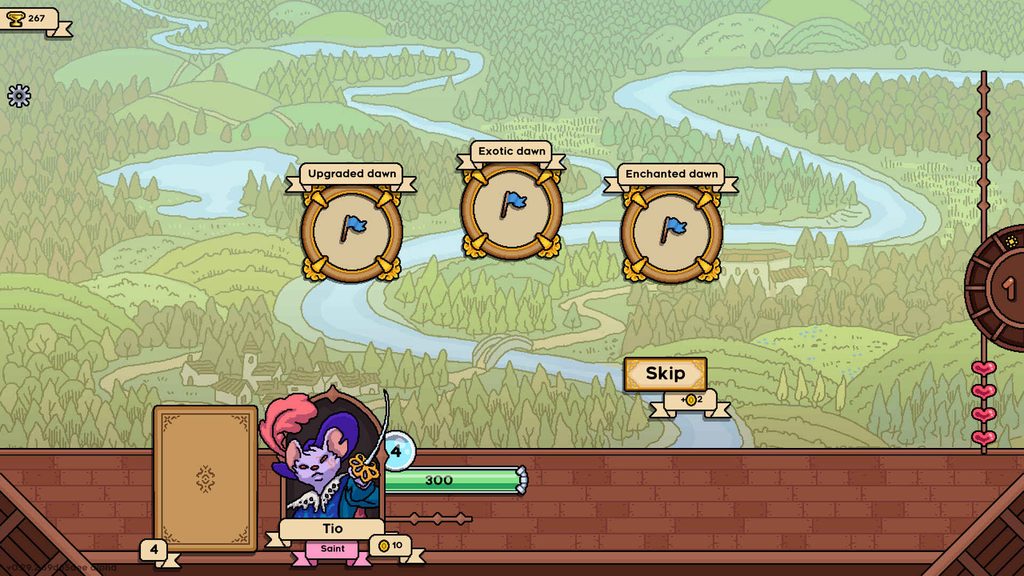
Though it starts out in a way that teaches the basics in a very simple manner, Grail very quickly ramps up the complexity of its cards with a bewildering number of card effects, types and symbols to make sense of. Everything is summarised with tooltips if you hover over card elements, but the resulting text boxes can sometimes be overwhelming with detail, and this subsequently gives Grail a steeper learning curve than you may be expecting.
It’s also a bit of a challenge, particularly for us as seasoned deckbuilders, to refocus our strategic thinking to everything that occurs between rounds of combat, rather than in it. Your primary objectives are to build, upgrade and refine your deck knowing that you won’t be able to control the order your cards are played when you battle. It does take some getting used to, for sure.
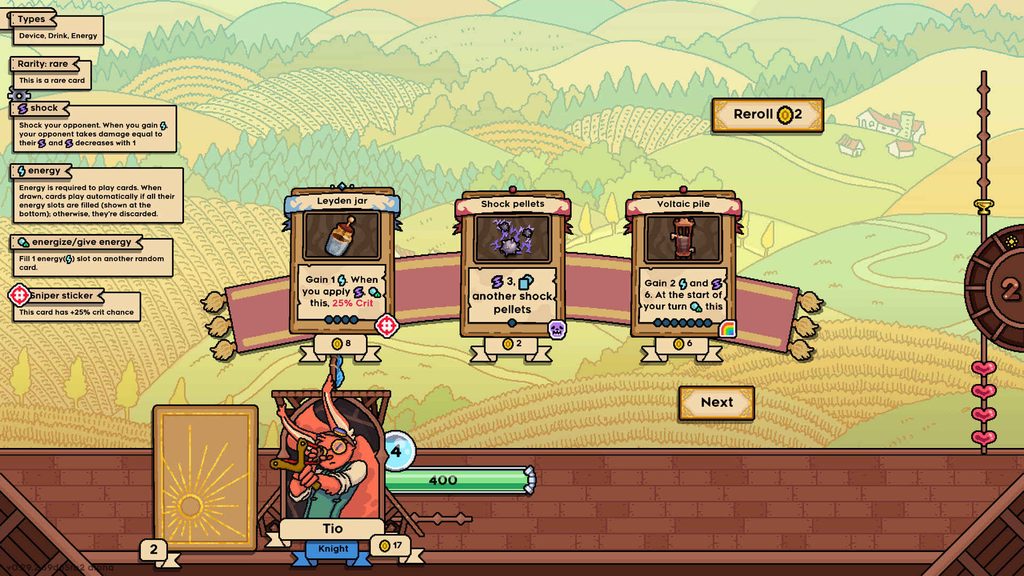
In addition to the overwhelming feeling that the cards themselves can initially bring on, so too can the variety of events and locations that you’ll encounter. It does take time to familiarize yourself with how everything works, and Grail’s tutorial is a little too short to really prepare you for your journey.
However, if you persist and overcome that initial learning curve, you’ll find that there’s a worthwhile set of mechanics and compelling gameplay to keep you coming back for more. Grail also has a real charm in its visual design, with gorgeous, colorful pixel art and a cast of beautifully realised, anthropomorphic animals to interact with and battle against. It’s also very forgiving of defeat, which only results in outright failure in specific battles, so it does allow you to pick yourself up, dust yourself off and carry on much more than standard roguelikes do.
The Card Gamer Verdict
Though hampered by an initially overwhelming number of keywords and encounter types, Grail’s layers can be revealed and absorbed at the player’s own pace.
It can take some getting used to, with combat fully taken care of automatically. What’s interesting is that the intricacies of Grail are revealed more through observation than direct interaction.
Despite the steep learning curve, overall Grail is more forgiving than other roguelikes. The auto battling gives it a unique feel, and its a charmingly designed, addictive experience if you persevere.
Grail is available now on Steam. Check it out using the widget below:
Check out our other digital card game reviews, such as Masters of the Universe: Legends Unite and a different type of auto play in Card Corner.