
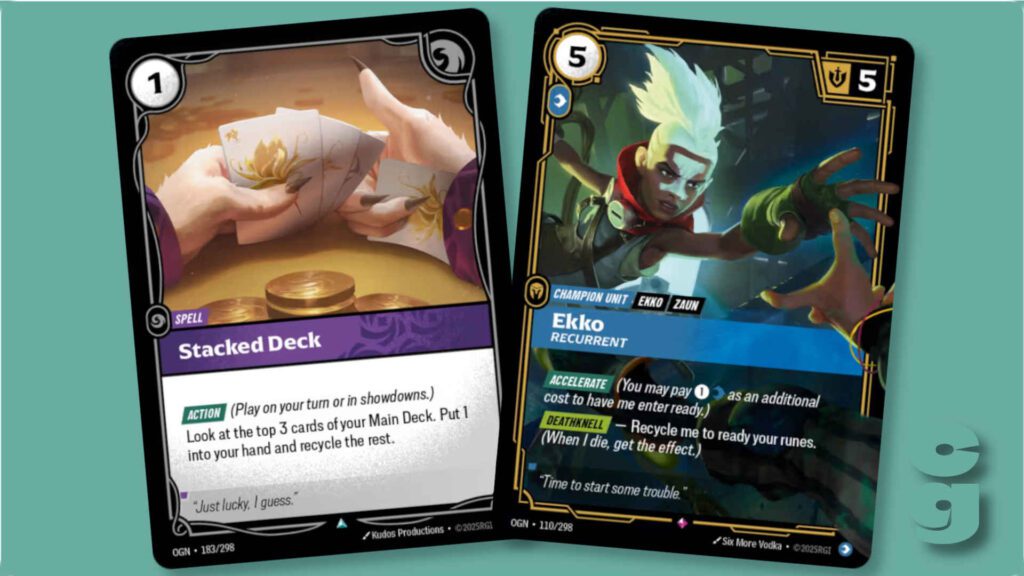
With Riftbound’s Los Angeles Regional Qualifier coming up as of the time of writing, along with the Senyang Regional Open event now finished, Riot Games have banned another two cards from organized play.
As always, they’ve asked themselves three crucial questions when considering the bans, namely: if the card is overrepresented in a way that’s detrimental, are the problems the card presents likely to worsen and whether or not the card promotes play which isn’t “healthy”. Let’s see which cards you’ll need to remove from your deck if you’re taking part in organized play events going forward.
Ekko, Recurrent
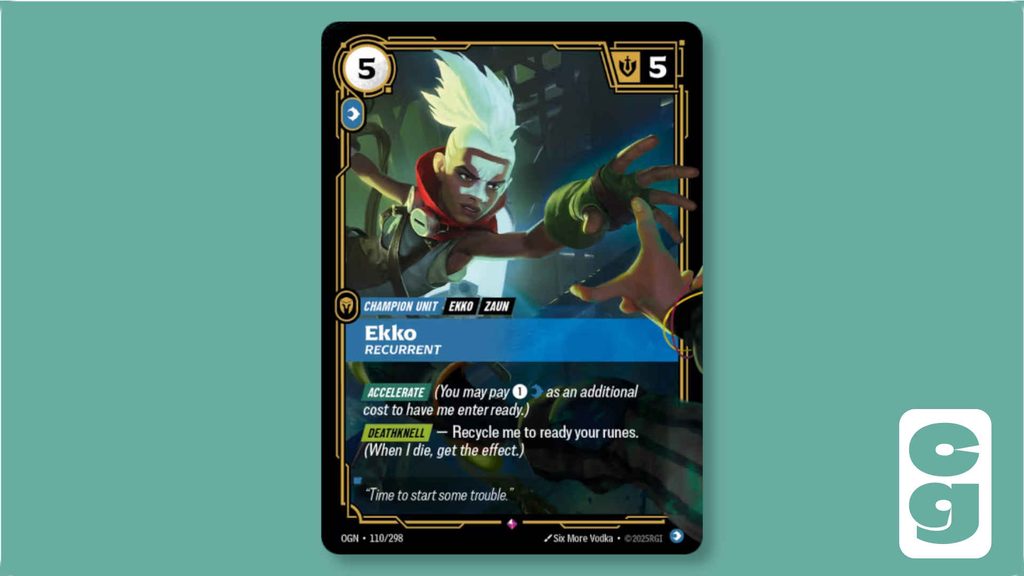
According to Riot, the Lux combo deck has a low play rate, but its infinite combo style can lead to an unhealthy, limited interaction loop. With Ekko, Recurrent taking advantage of this exact strategy, the decision has been made to ban the card, to ensure that Riftbound doesn’t become a solitaire-esque experience, to the frustration of the opposing player. Ekko, Recurrent is a card from Riftbound’s Origins set, so has been around for a while; however, it’s only in the wake of the Unleashed set that it’s posed a problem.
Stacked Deck
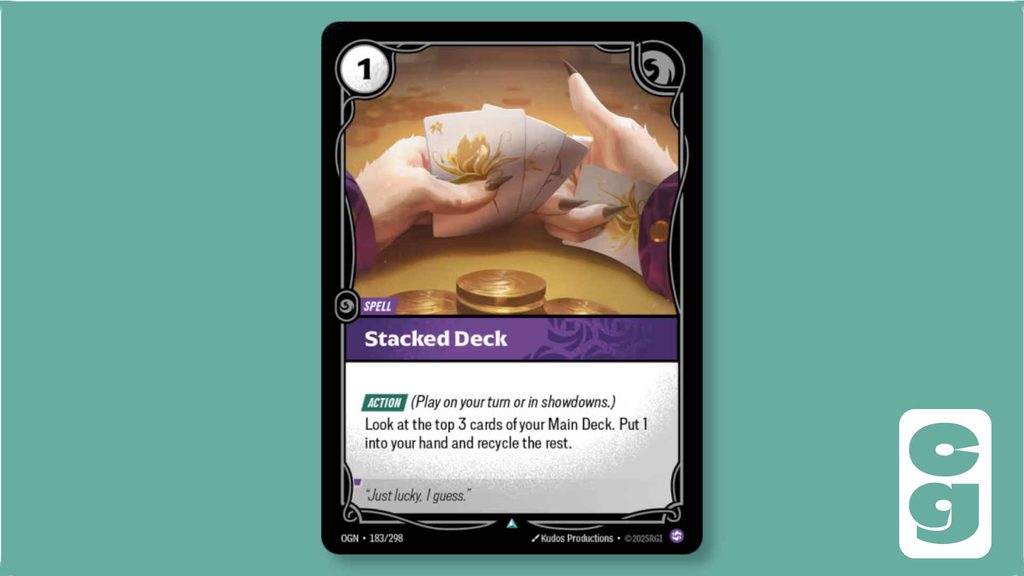
Though Riot acknowledge that Stacked Deck isn’t a problem in and of itself, and is actually fun to play, there’s a few cards that can cause it to be a problem. Namely, the Kennen Legend card from Riftbound’s Vendetta set, when paired with its Signature Spell, Lightning Rush.
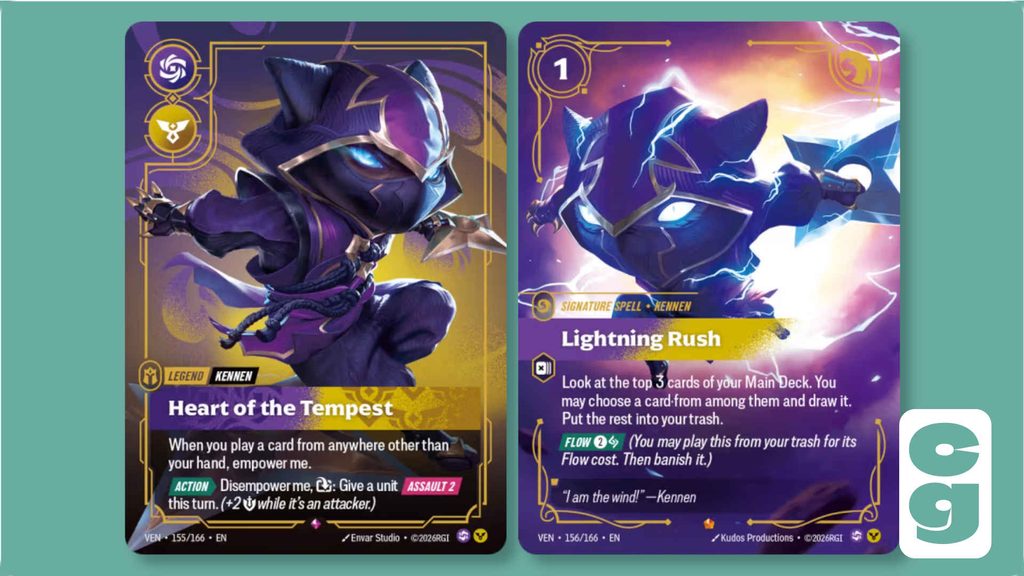
With Kennen’s strategy built around maximizing access to cards, Riot have deemed that the three cards in combination grant a little too much access. The removal of Stacked Deck as an option doesn’t stop this entirely, but certainly slows down Kennen’s strategy to ensure that play remains fun, rather than frustrating.
Kennen is apparently seeing a high win rate at tournaments, so much so that the Stacked Deck ban is seen as a necessary measure which nonetheless keeps Kennen viable. Now let’s check out an important question!
Can I Still Use Banned Cards in My Deck?
This might seem like a silly question to ask; the cards are banned, after all, and not without serious thought and justification from Riot. However, you may still have these physical cards in your collection, and your deck. If you’re playing casually against opponents who are aware that these cards are in your deck, and have their blessing ahead of any game you play with them, then of course you’re free to use them outside of organized play. Banned cards are of course not allowed in any organized play or tournament setting, so it pays to be aware of the full, current list.
Do Card Bans Happen Often?

Given that Riftbound has attracted many players who are not necessarily that familiar with trading card games, it could be worrying to see a second round of cards being banned. Especially as the first bans occurred just a few months ago. However, the fact that Riot are willing to step up and be so proactive should be seen as positive, in my opinion. They’re not allowing cards to overpower the meta or cause undue frustration for players who have invested their time and money in the game, and that’s a good thing.
Riot are properly keeping an eye on the game and listening to the community. That certainly bodes well for the health of Riftbound in the present and future. With Riftbound’s Radiance set and more tournaments incoming, the game definitely seems to be in a healthy place, with lots of attention from Riot to ensure it stays that way!
Check out another, recent article on banned Riftbound cards for more information. Also, take a look at our list of the most valuable cards in Riftbound’s Vendetta set!